
FO Homes Inc Cleaning Tips,Home A Guide on How to Detect and Eliminate Mold From Your House

A Guide on How to Detect and Eliminate Mold From Your House

A Guide on How to Detect and Eliminate Mold From Your House post thumbnail image

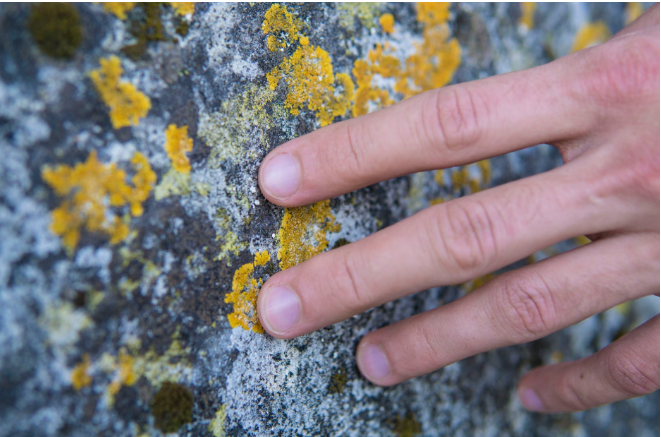
Regardless of the climate, your home may contain hazardous mold due to a humid atmosphere or water damage. Unless you constructed the house, it isn’t easy to understand the mold causes. Usually, houses and flats are painted before new tenants or owners go in, further concealing (but certainly not mending ) the issue. Just because you can not see it does not mean it can not cause you severe health difficulties or perhaps death.urban house

Hazardous vs. Regular Mold

First, bear in mind that there are various kinds of mold – a few harmful to people, some maybe not. Some are just harmful at very substantial levels. Toxic mold is more insidious and frequently concealed in a water heater cabinet or within your air vents. The most dangerous mold breeds have been demonstrated to cause autoimmune diseases. Rather than calling in the pros and paying a hefty amount to possess the mold eliminated, you will find ways to manage the problem yourself.

Ways to Eliminate Black Mold

Before beginning, here are a few suggestions for how to take action and everything you will need. Vinegar is a noninvasive and secure option to eliminate black mold. Keep a spray bottle filled with white distilled vinegar in your kitchen and bathroom for fast cleaning. I cherish the odor of vinegar, but if you discover it too powerful and unpleasant, add a couple of drops of essential oil (such as lavender), and you’ll have the ability to distinguish the difference.

Eliminating black mold with tea tree oil is also a very effective method. Tea tree is a vital oil that’s safe for pets and people. It’s costlier than vinegar. However, a couple of tablespoons go a long way. I have used it on a tiny field of the rug along with a moldy shower curtain. It will have a different smell but do not worry; the odor will dissipate over time. It’s a great idea to purchase a little bottle and maintain your residence.
Leave a Reply

Your email address will not be published. Required fields are marked *

Related Post

floor

Top Tier Lists of Flooring Materials for Homes in Tropical AreasTop Tier Lists of Flooring Materials for Homes in Tropical Areas

There are many factors to consider when choosing the best flooring material for your home. One of the essential considerations is climate. If you live in a tropical area, you need to select a flooring material that can withstand high humidity and heat. But when it comes to installation, be sure to hire a professional at https://bestflooringco.com. This blog post will share the top three flooring materials for homes in tropical climates. We will also explain the pros and cons of each material and how to install it properly. Let’s get started.

Laminate Flooring

chairLaminate flooring is a popular choice for homes in tropical climates. It is made of synthetic materials that are resistant to humidity and heat. Laminate flooring is also easy to install, and it can be used over existing floors. The only downside of laminate flooring is that it can be scratched or damaged easily. To avoid this, choose a laminate flooring with a high wear layer. Laminate floors can be installed over existing floors, making them ideal for homes in tropical climates. However, it is essential to hire a professional installer to ensure that the floors are properly sealed and protected from moisture.

Bamboo

The following best flooring material for homes in tropical climates is bamboo. Bamboo is a sustainable material that is resistant to moisture and heat. Bamboo floors are also easy to install. However, bamboo needs to be adequately sealed to avoid moisture damage. Bamboo is one of the best materials for flooring in a tropical climate. It also gives your home such a unique and antique look. If you are considering bamboo, be sure to have it sealed properly to avoid any moisture damage.

Porcelain Tiles

Porcelain tiles are another excellent choice for homes in tropical climates. They are made of a type of clay fired at a high temperature, making them extremely strong and durable. Porcelain tiles are also resistant to moisture and heat. However, they can be slippery when wet, so be sure to choose a tile with a textured surface. Porcelain tiles are an excellent choice for homes in tropical climates. They are durable, moisture resistant, and can give your home a unique look.

Concrete

living roomThe last type of flooring material we will discuss is concrete. Concrete is one of the most durable materials for your floors. It is also resistant to moisture and heat. The best things about concrete flooring are that it is easy to install and maintain. Many homeowners in tropical areas choose concrete flooring because it is so durable and easy to care for. There you have it. These are the top four flooring materials for homes in tropical climates. Be sure to do your research before making a final decision. When picking the best flooring material for your home, always consider the environment.
If you live in a tropical area, choose a material that can withstand the high humidity and heat. Also, hire a professional installer to ensure that your floors are properly sealed and protected from moisture.

living room

Modern Elegance at Home: Subtle Color Palettes That Make a StatementModern Elegance at Home: Subtle Color Palettes That Make a Statement

When it comes to creating a stylish and sophisticated home, bold isn’t always better. In fact, some of the most elegant spaces rely on soft, subtle color palettes to make their mark. From muted neutrals to warm grays and understated pastels, these shades offer a timeless look that’s easy to build around. Modern elegance isn’t about doing more—it’s about doing less with intention. Let’s take a room-by-room tour of how the right colors, used the right way, can completely elevate your space.

Living Room: Soft Tones, Bold Impact

The living room is often the heart of the home, and a muted palette can bring a sense of calm and cohesion to the space. Think taupes, soft whites, and cool greiges layered with natural textures like linen or wood. If you want inspiration, see this beautiful living room transformation that used a blend of warm neutrals and soft colors to create a serene yet stylish space. With the right mix of tone and texture, even subtle shades can speak volumes.

Kitchen: Understated With Character

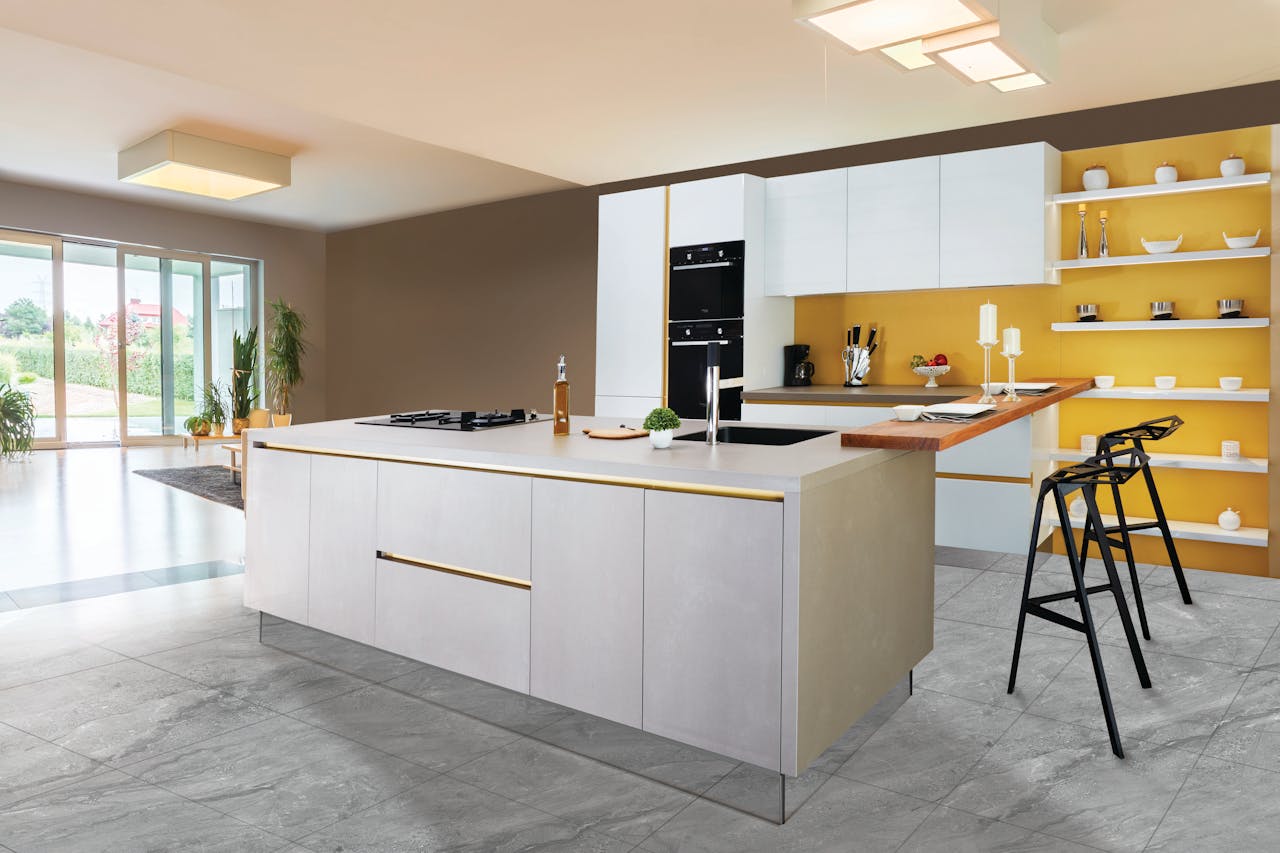
kitchenIn the kitchen, clean lines and quiet colors go a long way. Pale sage green cabinets, matte white tiles, and brushed brass fixtures can feel both modern and warm. When paired with natural wood or stone, these elements create a fresh, airy space that still feels grounded. Subtle doesn’t have to mean boring—it’s all about thoughtful combinations that balance simplicity with charm.

Bedroom: Layers of Calm

Your bedroom should be a retreat, and color plays a huge role in achieving that restful feel. Soft blue-grays, creamy beiges, and blush tones can all contribute to a serene atmosphere. Layering these colors through bedding, rugs, and drapes allows for depth without overwhelming the space. The result is a room that encourages relaxation and feels like a true escape from the chaos of daily life.

Bathroom: Minimal, But Memorable

A minimalist approach in the bathroom doesn’t mean clinical or cold. Warm whites, light stone, and brushed metal accents create a spa-like ambiance that feels indulgent but clean. Soft, subtle colors also make small bathrooms feel larger, reflecting light and enhancing a sense of openness. Add texture with woven towels or a wood bath mat to soften the overall aesthetic.

Dining Room: Moody Neutrals for Atmosphere

dining

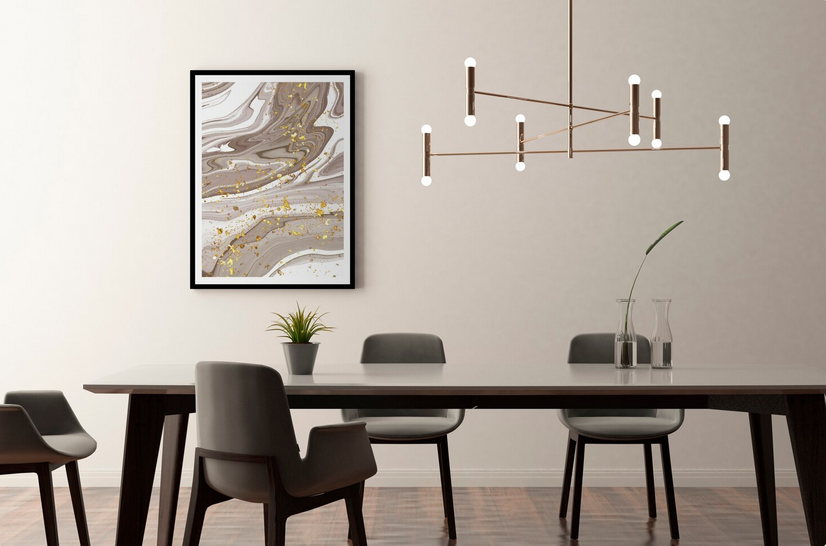
The dining room is the perfect place to experiment with moodier neutrals. Deep mushroom tones, soft charcoal, or muted navy can create an intimate, dramatic setting that still feels sophisticated. Paired with low lighting and sleek furniture, these hues bring a sense of elegance that’s both modern and inviting. It’s a great example of how color can completely shape the energy of a room.

Home Office: Balanced and Focused

For a workspace that keeps you focused without feeling sterile, opt for grounded tones like clay, dusty blue, or soft olive. These colors offer just enough personality without being distracting. The goal is to create an environment that supports productivity while still feeling connected to the design of the rest of your home. A well-designed home office can be both functional and beautiful with the right palette.

Color has the power to transform a space—but it doesn’t need to shout to be effective. Subtle palettes provide the perfect backdrop for texture, lighting, and architecture to shine. Whether you’re refreshing one room or reimagining your entire home, choosing a soft and elegant color scheme can elevate your space in ways that are both timeless and uniquely personal. Sometimes, the quietest choices make the loudest statements.

snake

Brief Guide to Bedding Substrates for Ball PythonsBrief Guide to Bedding Substrates for Ball Pythons

Ball pythons are one of the most popular pet snakes in North America. They are relatively easy to keep, but they require some specialized care. There are many different bedding substrates for Ball Python that you can use to create a habitat for your pet snake. Check out these Top 5 Best Bedding Substrates for Ball Python [2021 Review] – ReptileProfy to find the best bedding substrates for your need. Some substrates have unique properties that make them better than others, so knowing what type will work best with your particular situation and your ball pythons is essential! This blog post will provide an overview of the various options available and help you decide which one is perfect for you and your snake!

What to Know About Bedding Substrates for Ball Phytons

houseBedding substrates are materials that you can put in the bottom of your Ball Python’s enclosure to provide a comfortable surface for them to live on. There are many different bedding substrates available, and each one has its unique benefits and drawbacks. Some substrates are better at retaining moisture, while others are more absorbent. Some are easier to clean than others. Some are more affordable than others. Choosing the suitable substrate for your particular situation and your Ball Python’s needs is essential.

Common Types of Bedding Substrates for Ball Phytons

The most common bedding substrate for Ball Pythons is newspaper. Newspaper is cheap, absorbent, and easy to clean. It also helps retain moisture in the enclosure, which is beneficial for your snake. Newspaper comes in different colors, so if aesthetics are important to you, it is possible to find a color that will blend nicely with the rest of the decor and look attractive.

Another popular substrate for Ball Pythons is aspen shavings. Aspen bedding has many similar properties to newspaper substrates, but it also has a pleasant, natural smell that many people find appealing. It is also very absorbent and helps to keep the humidity levels in the enclosure consistent. Aspen shavings can be more expensive than newspapers, but they are still relatively affordable.

If you are looking for something a little more luxurious than newspaper or aspen shavings, you may want to consider cypress mulch. Cypress mulch is a popular substrate for reptile enthusiasts because it has charming aesthetic properties and humidity similar to aspen shavings. It also comes in different colors so that it can blend in nicely with the rest of your Ball Python’s decor.


How to Choose the Bedding Substrates for Your Ball Phytons?

handSo, how do we choose the best bedding substrates for our ball phytons? It depends on your situation and the needs of your snake. If you are looking for a cheap, absorbent substrate that is easy to clean, then the newspaper is probably the best option for you. If you want something with a more natural smell, aspen shavings may be a better choice. And if aesthetics are important to you, cypress mulch is a great option. Ultimately, it is up to you to decide which substrate will work best for your snake and your enclosure. Just be sure to do your research and ask around before deciding to be sure you are making the right choice!