
FO Homes Inc Home From Dull to Dazzling: Essential Maintenance Hacks for Gemstone Lights

From Dull to Dazzling: Essential Maintenance Hacks for Gemstone Lights

From Dull to Dazzling: Essential Maintenance Hacks for Gemstone Lights post thumbnail image

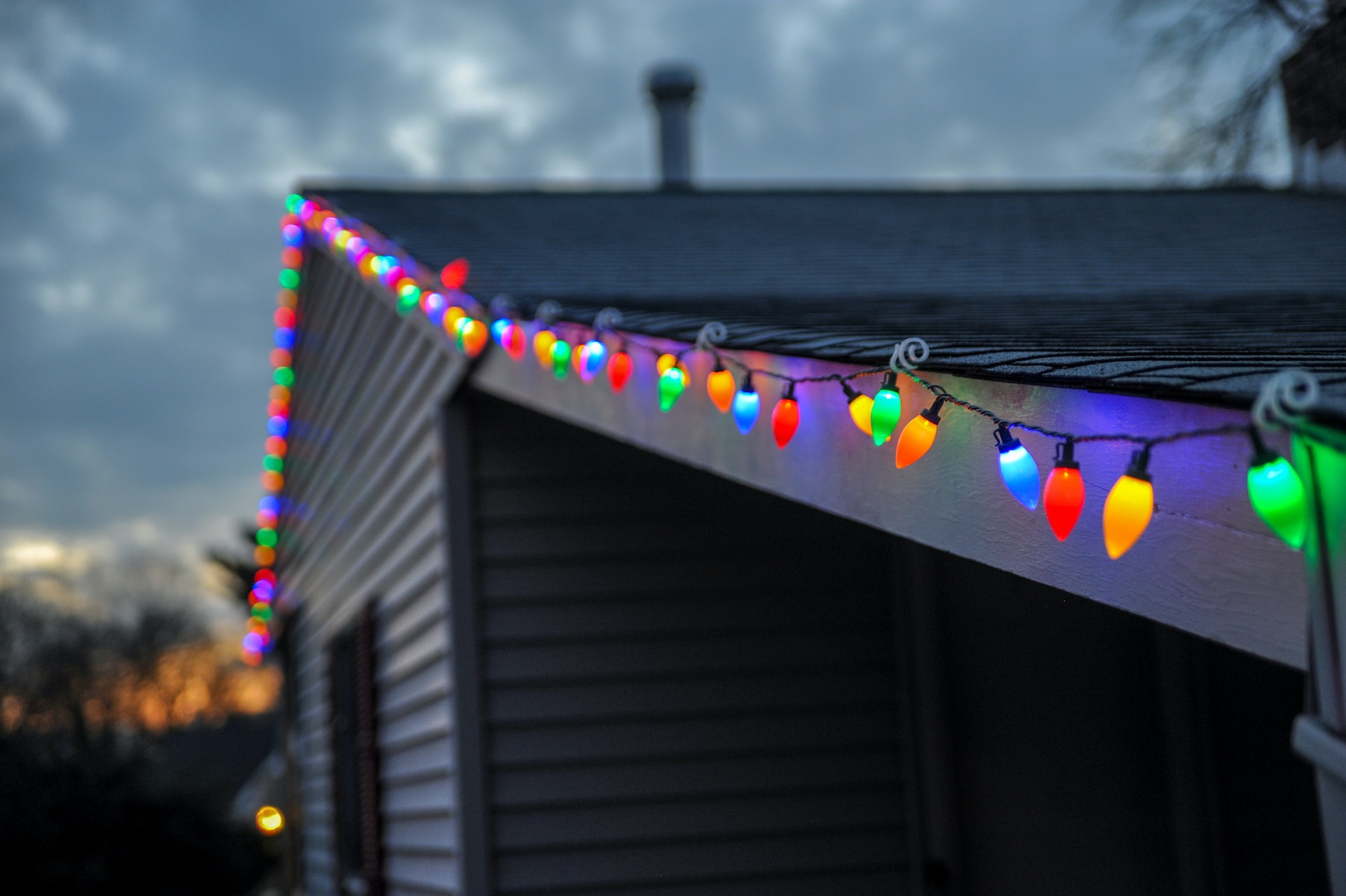
Gemstone lights are a beautiful and captivating addition to any outdoor space, adding elegance and charm to your surroundings. However, like any lighting fixture, they require regular maintenance to ensure their longevity and optimal performance. In this article, we will discuss essential maintenance hacks for gemstone lights that will transform them from dull to dazzling. If you need the best Gemstone Lights Phoenix AZ, you can visit this site to find the best dealer and illuminate your space with stunning outdoor lighting solutions.

Cleaning and Dusting

Regular cleaning and dusting are essential to maintain the brilliance of your gemstone lights. Over time, dust, dirt, and debris can accumulate on the surface of the lights, diminishing their shine and clarity. To clean your gemstone lights, start by turning off the power supply. Use a soft, damp cloth or sponge to wipe the surface, removing any dirt or residue gently.

Inspecting for Damage

Regular inspections are crucial to identify any potential damage or issues with your gemstone lights. Check for any cracks, chips, or loose connections that may affect the performance of the lights or pose a safety hazard. Inspect the wiring and connectors for signs of wear or corrosion. If you notice any damage or loose parts, it is important to address them promptly. Depending on the severity of the issue, you may need to repair or replace the affected components.
bulb

Regular Bulb Replacement

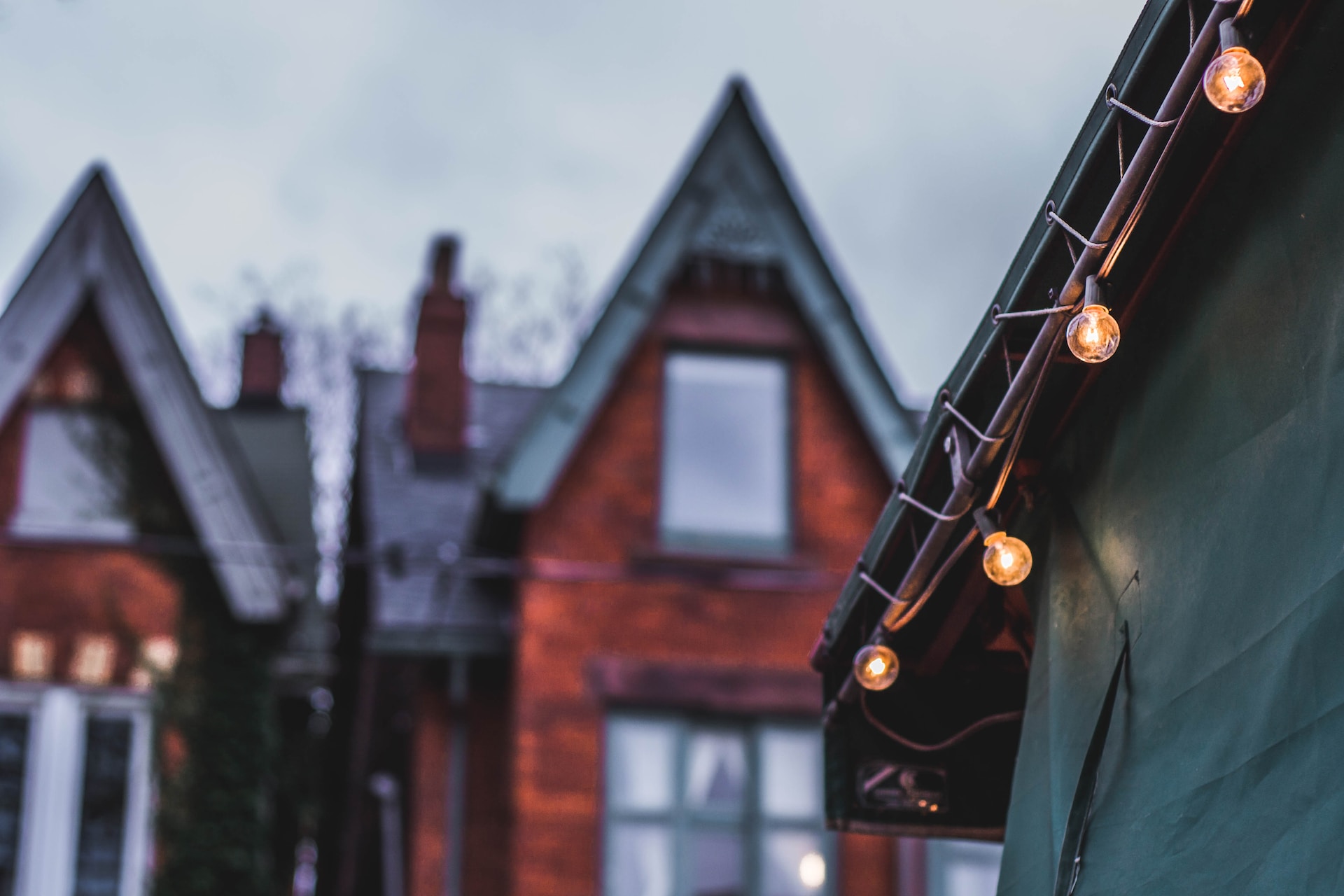
Gemstone lights often use LED bulbs, which are known for their long lifespan. However, over time, these bulbs may start to dim or become less efficient. It is important to check the brightness and functionality of the bulbs regularly. If you notice any bulbs that are not lighting up or are significantly dimmer than the rest, it is time for a replacement. LED bulbs are generally easy to replace, and most gemstone lights come with spare bulbs or have replacement options available.

Protecting From Harsh Weather

Gemstone lights are designed to withstand various weather conditions, but it is still important to protect them from extreme elements. During harsh weather, such as heavy rain, snow, or strong winds, take precautionary measures to safeguard your gemstone lights. Install weather-resistant covers or enclosures to shield the lights from direct exposure. If your gemstone lights are installed near trees or shrubs, trim any overhanging branches that may damage the lights during storms.

Proper maintenance is key to keeping your gemstone lights looking their best and preserving their enchanting glow. Regular cleaning, inspections for damage, protection from harsh weather, and regular bulb replacement are all essential factors in maintaining the brilliance of gemstone lights.

Related Post

sale

Market Trends: When It’s Better to Build and When It’s Better to BuyMarket Trends: When It’s Better to Build and When It’s Better to Buy

In the realm of real estate decisions, the age-old debate between building a home from scratch or buying an existing property continues to intrigue prospective homeowners. According to Versteigerungspool.de, each option comes with its own set of advantages and considerations, influenced by current market trends and individual circumstances. Let’s delve into when it might be advantageous to build your dream home and when purchasing an existing property could be the wiser choice.

Building Your Dream Home: Tailored to Perfection

Building a home offers unparalleled customization opportunities. From the layout and architectural style to the smallest details like fixtures and finishes, every aspect can be tailored to meet your personal preferences and lifestyle. This level of customization ensures that your new home perfectly aligns with your vision and needs, making it a compelling choice for those with specific tastes or requirements.

Embracing Energy Efficiency and Modern Technology

Advancements in building materials and technologies have made newly constructed homes more energy-efficient than ever before. From solar panels and smart home systems to superior insulation and energy-efficient appliances, building from the ground up allows you to integrate the latest sustainable practices. This not only reduces your carbon footprint but also lowers long-term utility costs, which are significant considerations in today’s environmentally conscious world.

Avoiding Renovation Hassles and Maintenance Issues

One of the primary advantages of building a new home is avoiding the potential pitfalls and costs associated with renovations and maintenance that often come with older properties. Everything in a newly built home is brand new and under warranty, offering peace of mind and potentially saving you from unexpected repair expenses in the near future.

Buying an Existing Property

For many homebuyers, purchasing an existing property offers convenience and the opportunity to move into a well-established neighborhood with mature landscaping and community amenities. Existing homes also are available for immediate occupancy, eliminating the wait associated with new construction.

Appreciating Historical Charm and Character

Older homes often boast unique architectural features, historical charm, and craftsmanship that may be challenging or costly to replicate in new construction. For those who appreciate the allure of period details and a sense of history, buying an older home can offer a distinct appeal and aesthetic that new builds may not replicate.

In Conclusion

home for saleUltimately, the decision to build or buy a home depends on your individual preferences, financial situation, and current market conditions. Whether you choose the creative freedom and energy efficiency of building new or the convenience and charm of buying existing, both options present unique advantages. By carefully evaluating your priorities and consulting with real estate professionals, you can make an informed decision that aligns with your long-term goals and aspirations in homeownership.

dog

Tips to Transform Your Home Into a Perfect Sanctuary for PetsTips to Transform Your Home Into a Perfect Sanctuary for Pets

The pet currently remains at roughly 54 million, according to petsfunnies.com. Just as this, 27 percent of families have young doggies and 17 percent have pets, yet have you ever produced an amicable living region your pet will love and feel comfortable in? If the arrangement isn’t mainly at that point, know about the top tips from Stacey Sibley, innovative administrator of inside creators Alexander James Interior Design and the pleased proprietor of 2 Westies, Alfie Piglet. Here, Stacey shares her experience and eye for the format to help you change your home into a perfect asylum for the four-legged companion.

Fur-Free Upholstery

Beware of any exposed wood on your furniture – an excitable puppy can find it because of their new favorite teething toy! Steer clear of any fragile substances that could be ruined by your cute little buddy, e.g., silk: smooth tapestries, leathers, and artificial fibers. Invest in quality clothes that can withstand the test of these claws.

Squeaky Clean Flooring

clean floorConsidering the inescapable blustery, sloppy days, and those early months, when your doggy/cat remains figuring out how to latrine train, we exceptionally ask flooring that is not difficult to wash. Hardwood flooring that imprint/scratch promptly and need quick cleaning if a puddle shows up hardwood flooring finishes rapidly! On the off chance that you’re set for every one of those perfect hardwood floor materials, at that point, select for harder woods, e.g., pecan or mahogany.
Overlay floors, clay, or stone tiles. These likewise have the extra bit of leeway of keeping up your pets looser during the hotter climate.

Spotless Kitchens

kitchenPet-obliging internal parts are connected to keeping up your space as unique as could be expected in light of the current situation, permitting that fresh out of the plastic new kitchen to glint without annoying little guy/kitty bowls smearing the ideal vision and leaving out food bowls in plain view and sliding them under the toe kick of your kitchen chimney stack.

Pulling them out for suppers time, moreover opening that water dish around a corner, so your bristly associates have clean water available.

Mud Room Sanctuary

Picture the scene: You have only been outside a fantastic walk, exploring the vast open areas and coming wellies caked in sand and a puppy that’s full of it also. The door opens – the entrance into a beautiful home. And before you know it, your hound is through that entry, drying off to the sides of the glorious brand new sofa and letting this nightmare take place. Install an entryway door to give you an entry space to wash off and clean off your doggy until they could enter the house. Store pet wipes, dog treats and other essentials in a cabinet at this entry to maintain the region harmoniously clean.

chemicals

Understanding the Risks of Household Pesticides: Safer Alternatives and Responsible UseUnderstanding the Risks of Household Pesticides: Safer Alternatives and Responsible Use

Pesticides are used in households for various reasons, such as controlling insects, rodents, and weeds. While these products can effectively eliminate pests, they also pose potential risks to human health. Exposure to household pesticides can cause acute or chronic health problems, especially among children and pregnant women. This is what a pest control company aims to emphasize. They intend to help households understand the risks associated with the use of pesticides and promote safer alternatives and responsible use. This article will discuss the common household pesticides used, their potential risks, and options for safer use.

Common Household Pesticides

Household pesticides come in various forms, such as sprays, baits, dusts, and granules. They contain active ingredients that target specific pests like insects, rodents, or weeds. Some of the most commonly used household pesticides include insecticides (for killing insects), rodenticides (for eliminating rodents), and herbicides (for controlling weeds). These products are easily available in grocery stores, home improvement centers, and online. While they may seem harmless, the chemicals used in these pesticides can be toxic if not used properly.

herbicide

Potential Risks of Household Pesticides

The chemicals found in household pesticides can pose health risks to humans. These chemicals can be exposed through inhalation, ingestion, or skin contact. Short-term exposure can result in symptoms such as skin irritation, headache, dizziness, nausea, and vomiting. Long-term exposure to these chemicals has been linked to serious health conditions, including cancer, reproductive problems, and neurological disorders. Children are particularly vulnerable to the effects of household pesticides due to their developing bodies and tendency to put objects in their mouths.

Safer Alternatives for Household Pest Control

Fortunately, there are safer alternatives for pest control in households. These options reduce the risk of exposure to harmful chemicals and protect our environment. Some of these alternatives include:

  1. Integrated Pest Management (IPM) – This approach focuses on prevention and uses a combination of methods such as physical barriers, natural predators, and traps to control pests.
  2. Essential oils – Certain essential oils, such as peppermint, lavender, and eucalyptus, have natural insect-repelling properties. They can be mixed with water and sprayed around the house to deter pests.
  3. Diatomaceous earth – Made from fossilized algae, this powder is a safe and effective way to control insects. It works by absorbing the waxy outer layer of an insect’s exoskeleton, causing it to dehydrate and die.

Responsible Use of Household Pesticides

useIf you choose to use household pesticides, it is important to take precautions to minimize potential risks. Here are some tips for responsible pesticide use:

  1. Always read and follow the instructions on the label.
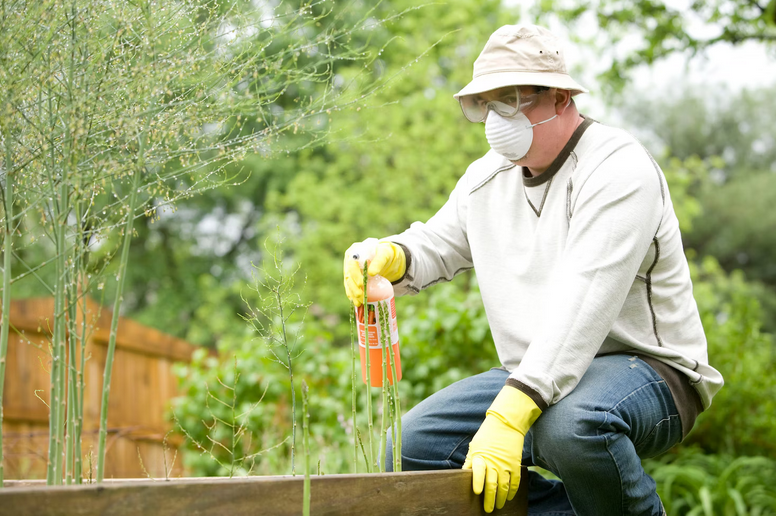
  2. Wear appropriate protective gear such as gloves, masks, and eyewear when applying pesticides.
  3. Use only the amount recommended on the label and avoid overuse.
  4. Keep children and pets away from areas treated with pesticides.
  5. Store pesticides safely in their original containers out of reach of children and animals.
  6. Properly dispose of empty pesticide containers according to the instructions on the label.

Household pesticides can be hazardous if not used properly. It is important to understand the potential risks and use them responsibly or consider safer alternatives. By taking these precautions, we can protect our health and the environment without compromising pest control in our homes. Remember, prevention is always better than cure when it comes to pests. So keep your living spaces clean and well-maintained to avoid the need for pesticides in the first place. There are also natural ways to ward off pests, such as sealing cracks and gaps, keeping food stored properly, and maintaining a tidy yard.