
FO Homes Inc Home 5 Reasons to Hire a Roof Contractor

5 Reasons to Hire a Roof Contractor

5 Reasons to Hire a Roof Contractor post thumbnail image

According to Rhino Roofers, your roof is one of the essential parts of your home. Not only does it keep you and your family dry, but it also plays a role in protecting your home from the elements. That’s why it’s so important to make sure that your roof is in good condition. If you’re thinking about hiring a roofing contractor, here are five reasons why you should do it!

They Have the Experience and Expertise

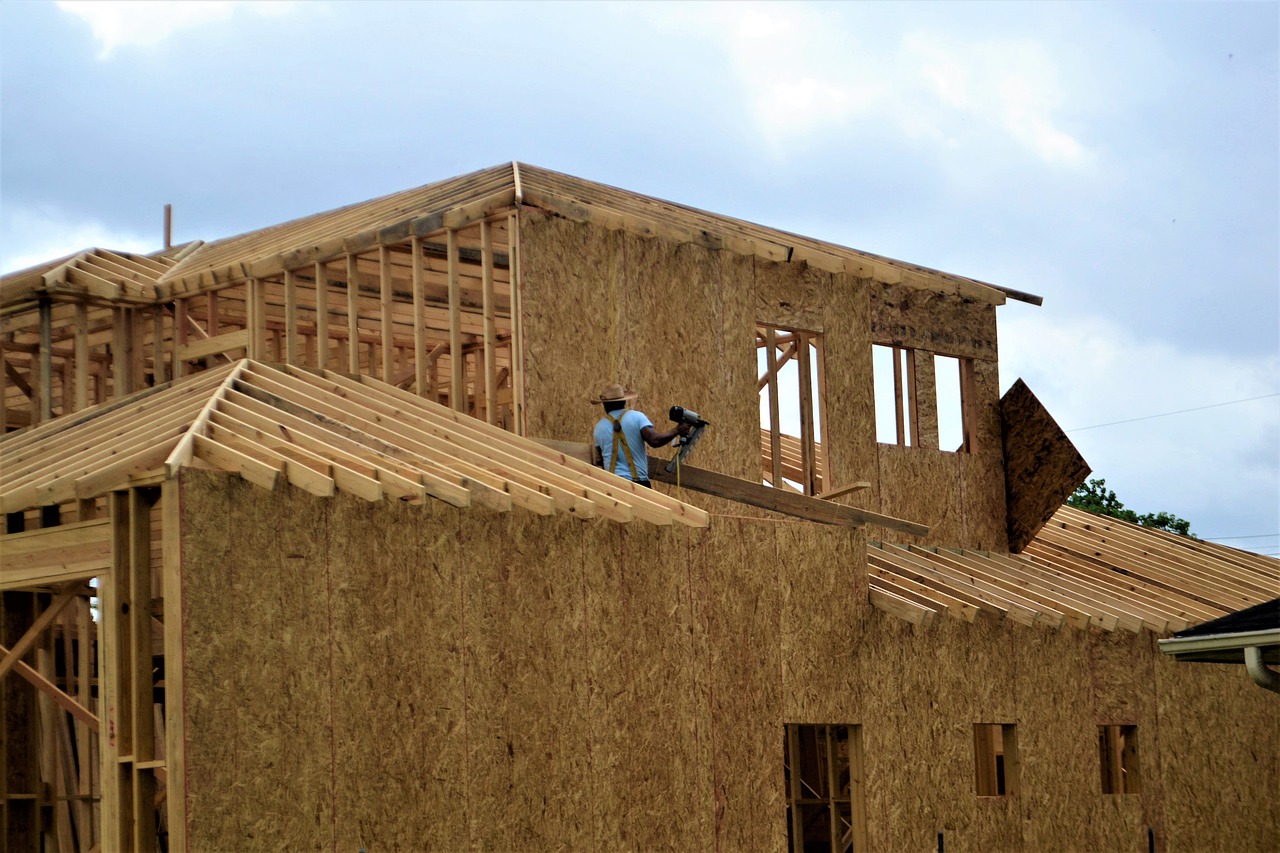
workingA good roofing contractor will have years of experience and expertise in the field. They’ll know how to properly inspect your roof, identify any problems, and recommend the best course of action. They’ll also be able to help you choose the right type of roof for your home and budget.

They Are Licensed and Insured

It’s essential to ensure that any contractor you hire is licensed and insured. This protects both you and the contractor in case of an accident or injury. A good roofing contractor will offer a warranty on their work. This means that if there are any problems with the roof after they’ve finished working on it, they’ll be responsible for fixing them.

They Can Help You Choose the Best Roofing Materials

Not all roofing materials are created equal. A good contractor will be able to help you choose the right type of roofing material for your home and climate. They’ll also be able to recommend the best color and style for your home.

They Know How to Install a Roof Properly

It’s essential to make sure that your roof is installed correctly. A good contractor will know how to do this, and they’ll also be up-to-date on the latest installation techniques. This means that you can rest assured knowing that your roof will be installed correctly and last for many years. A good roofing contractor can provide you with many benefits, including peace of mind. If you’re thinking about hiring a contractor, be sure to do your research and ask around for recommendations.


They Can Save You Money in the Long Run

houseA good roofing contractor can save you money in the long run. They’ll be able to identify any problems with your roof and fix them before they become bigger and more expensive to repair. They’ll also be able to recommend preventative maintenance measures that will help keep your roof in good condition for years to come. Your home’s roof is an integral part of the structure and should be taken care of by a professional. While you may not think about hiring a roofing contractor until something goes wrong, it’s much better to plan for potential problems.

We can help you find the right person for this job, whether that’s someone who will do maintenance work or handle larger projects like replacing your entire roof. What are some reasons why homeowners hire contractors? Comment down below.
Leave a Reply

Your email address will not be published. Required fields are marked *

Related Post

chemicals

Understanding the Risks of Household Pesticides: Safer Alternatives and Responsible UseUnderstanding the Risks of Household Pesticides: Safer Alternatives and Responsible Use

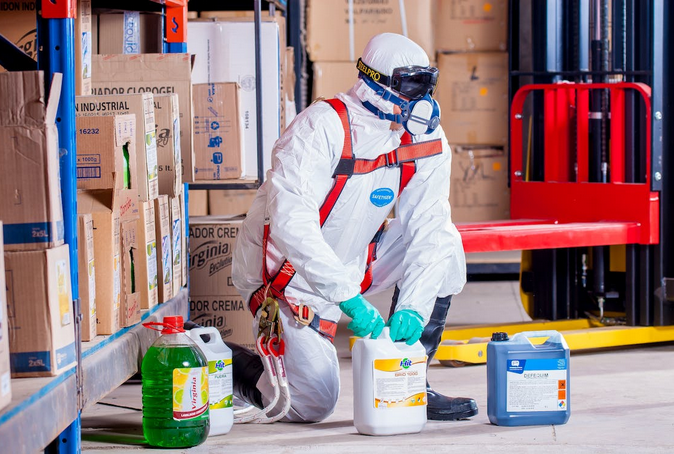
Pesticides are used in households for various reasons, such as controlling insects, rodents, and weeds. While these products can effectively eliminate pests, they also pose potential risks to human health. Exposure to household pesticides can cause acute or chronic health problems, especially among children and pregnant women. This is what a pest control company aims to emphasize. They intend to help households understand the risks associated with the use of pesticides and promote safer alternatives and responsible use. This article will discuss the common household pesticides used, their potential risks, and options for safer use.

Common Household Pesticides

Household pesticides come in various forms, such as sprays, baits, dusts, and granules. They contain active ingredients that target specific pests like insects, rodents, or weeds. Some of the most commonly used household pesticides include insecticides (for killing insects), rodenticides (for eliminating rodents), and herbicides (for controlling weeds). These products are easily available in grocery stores, home improvement centers, and online. While they may seem harmless, the chemicals used in these pesticides can be toxic if not used properly.

herbicide

Potential Risks of Household Pesticides

The chemicals found in household pesticides can pose health risks to humans. These chemicals can be exposed through inhalation, ingestion, or skin contact. Short-term exposure can result in symptoms such as skin irritation, headache, dizziness, nausea, and vomiting. Long-term exposure to these chemicals has been linked to serious health conditions, including cancer, reproductive problems, and neurological disorders. Children are particularly vulnerable to the effects of household pesticides due to their developing bodies and tendency to put objects in their mouths.

Safer Alternatives for Household Pest Control

Fortunately, there are safer alternatives for pest control in households. These options reduce the risk of exposure to harmful chemicals and protect our environment. Some of these alternatives include:

  1. Integrated Pest Management (IPM) – This approach focuses on prevention and uses a combination of methods such as physical barriers, natural predators, and traps to control pests.
  2. Essential oils – Certain essential oils, such as peppermint, lavender, and eucalyptus, have natural insect-repelling properties. They can be mixed with water and sprayed around the house to deter pests.
  3. Diatomaceous earth – Made from fossilized algae, this powder is a safe and effective way to control insects. It works by absorbing the waxy outer layer of an insect’s exoskeleton, causing it to dehydrate and die.

Responsible Use of Household Pesticides

useIf you choose to use household pesticides, it is important to take precautions to minimize potential risks. Here are some tips for responsible pesticide use:

  1. Always read and follow the instructions on the label.
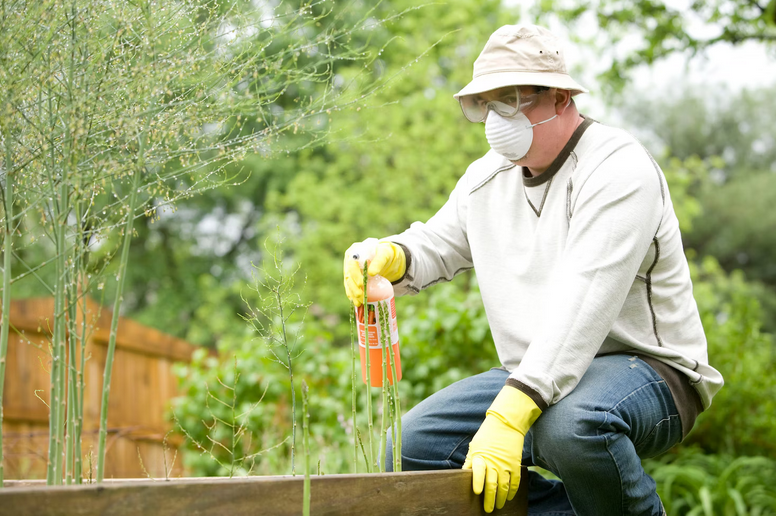
  2. Wear appropriate protective gear such as gloves, masks, and eyewear when applying pesticides.
  3. Use only the amount recommended on the label and avoid overuse.
  4. Keep children and pets away from areas treated with pesticides.
  5. Store pesticides safely in their original containers out of reach of children and animals.
  6. Properly dispose of empty pesticide containers according to the instructions on the label.

Household pesticides can be hazardous if not used properly. It is important to understand the potential risks and use them responsibly or consider safer alternatives. By taking these precautions, we can protect our health and the environment without compromising pest control in our homes. Remember, prevention is always better than cure when it comes to pests. So keep your living spaces clean and well-maintained to avoid the need for pesticides in the first place. There are also natural ways to ward off pests, such as sealing cracks and gaps, keeping food stored properly, and maintaining a tidy yard.

keys

Mistakes To Avoid When Applying for a Home LoanMistakes To Avoid When Applying for a Home Loan

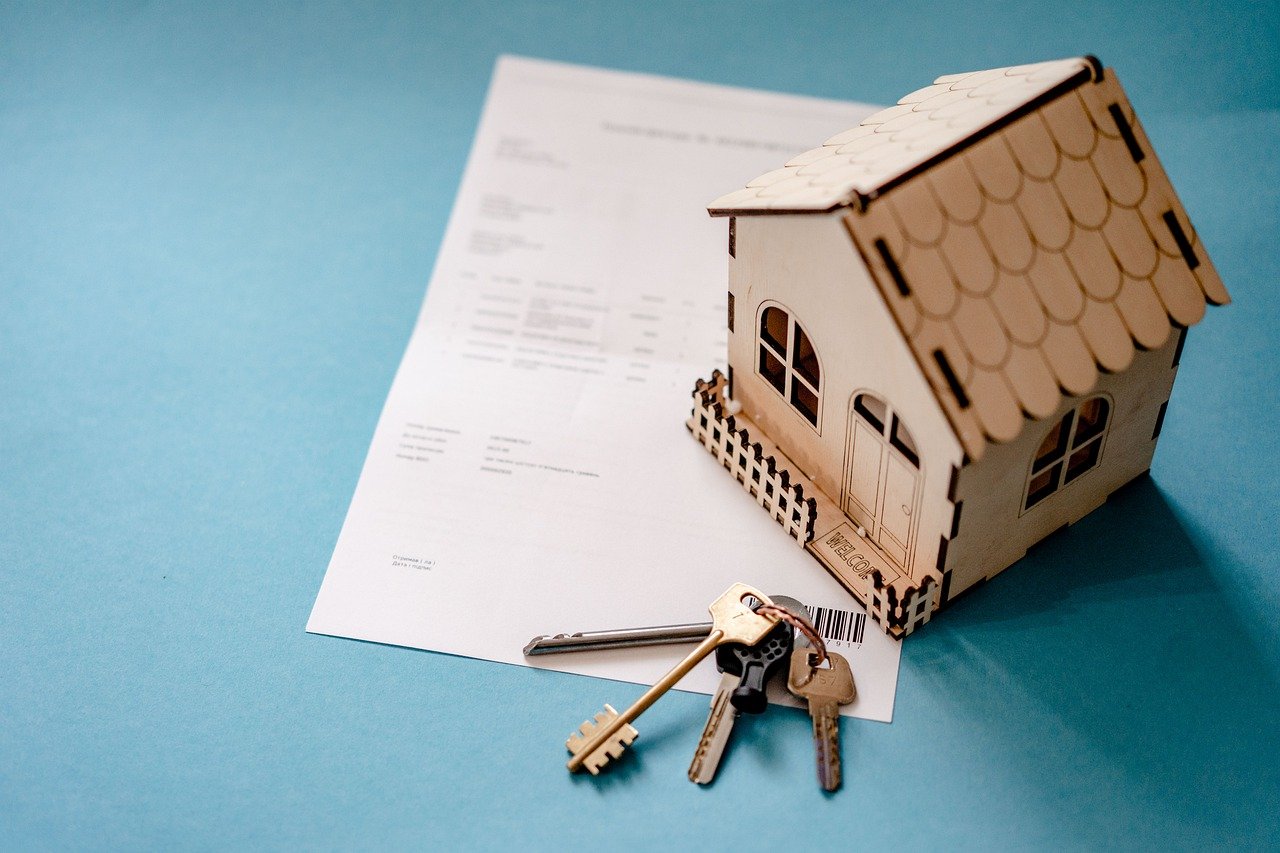
When you are in the market for a new home, one of the most important things is to apply for a home loan. This process can be tricky, and if you make any mistakes, it could cost you your dream home. This blog post will discuss common mistakes people make when applying for a home loan. Lending companies and getting loans is critical to buying your house, avoid any potential mistakes by reading the tips below.

Lying on Your Loan Application

signAnother mistake people make when applying for a home loan is lying on their application. Even if you think that it won’t matter, it’s essential, to be honest with your lender about everything from where you’ve lived in the past five years to what kind of income sources are coming into your household each month – even if those sources aren’t steady. If you lie on your application, it could come back to bite you later on.

Overestimating Your Income or Assets

It’s also important not to overestimate your income or assets when you’re applying for a home loan. If the lender finds out that you’ve lied about how much money makes, then they could deny you based on this information alone – even if everything else looks good! This may seem like an innocent mistake, but it can cost you your dream home. Be honest about your income and assets when you fill out the loan application, and make sure that everything is correct.

Forgetting to Include Debts and Expenses in Your Budget

Another common mistake people make when applying for a home loan is forgetting their monthly expenses and debts. You must include every single deficit in your budget, as well as any other recurring costs such as groceries or gas money. You don’t want to be surprised by an unexpected bill later on down the road. This is especially important if you’re trying to get a loan with a low down payment, as your lender will want to make sure that you can afford all of the costs associated with buying and owning a home.


Applying a Loan When You Can’t Afford Monthly Payments

writingOne of the biggest mistakes people make when applying for a home loan is not confident that they can afford the monthly payments. Remember, your mortgage payment will likely be your most significant monthly expense, so you need to be sure you can comfortably afford it. Don’t apply for a loan until you have done your research and are confident that you can afford all of the costs associated with owning your new home.


lights

Tips for Choosing the Best Material for Outdoor Lighting FixturesTips for Choosing the Best Material for Outdoor Lighting Fixtures

The exterior of your home is one of the first things that people notice when they pull up to your property. This area needs to look friendly and inviting, so you want to make sure you have outdoor lighting fixtures installed. Outdoor lighting fixtures come in different aluminum, steel, and bronze and copper light fixtures. There are pros and cons to each material. This blog post will discuss tips on what to consider when choosing the best material for your outdoor lighting fixtures.

Consider the Purpose of Your Lighting Fixture

houseThe purpose of your lighting fixture will determine what material is best. We recommend using a copper outdoor lighting fixture if you want to enhance the exterior design and architectural details. The beautiful finish on this metal looks impressive when illuminated at night. This works exceptionally well if it’s installed near landscape features such as trees or flowers with copper components. If you’re also looking for security lighting, we recommend using a combination of materials. For example, have a steel fixture with a bronze or copper overlay. This will give you the best of both worlds.

Examine the Space You Have To Work With

If you have a lot of space to work with and want to create a suburban or rural setting, we recommend using steel outdoor lighting fixtures. Steel has a modern look and is perfect for large properties. It’s also durable and can withstand harsh weather conditions. If you’re working with a smaller space or live in an urban area, then an aluminum outdoor lighting fixture works well. This metal is slightly more subtle than steel but still has a sleek and modern look that looks great when installed near windows or doors.


Establish the Style That Best Suits the Exterior Design

Certain metals work better with certain styles. For example, bronze outdoor lighting fixtures look great in traditional or rustic homes such as farmhouse and southern plantation home designs. If you’re looking for something more modern, then we recommend using steel fixtures with an aluminum overlay to give the exterior of your house an ultra-modern design.

In addition, we recommend choosing a material that will require the least amount of maintenance possible. For example, if you live in an area with high humidity and saltwater due to hurricanes or snow from harsh winter conditions, it’s best to use aluminum outdoor lighting fixtures.