FO Homes Inc Home The Ultimate Landscaping Guide: Best Flowers for Every Type of Garden

The Ultimate Landscaping Guide: Best Flowers for Every Type of Garden

The Ultimate Landscaping Guide: Best Flowers for Every Type of Garden post thumbnail image

Transforming your garden into a vibrant oasis is easier than you might think. With the right flowers, you can elevate your landscaping game and create a stunning visual impact in any outdoor space. Whether you’re looking to splash color across a flower bed or design an enchanting retreat, selecting the best flowers plays a crucial role.

Every garden has its own personality, and choosing the right flowers can bring that character to life. From sunny cottage gardens to serene Japanese landscapes, there are blooms perfectly suited for each style. Give your garden a makeover with our ultimate guide to the best flowers for every type of garden.

Brightening up Your Landscape With Colorful Plants
home garden

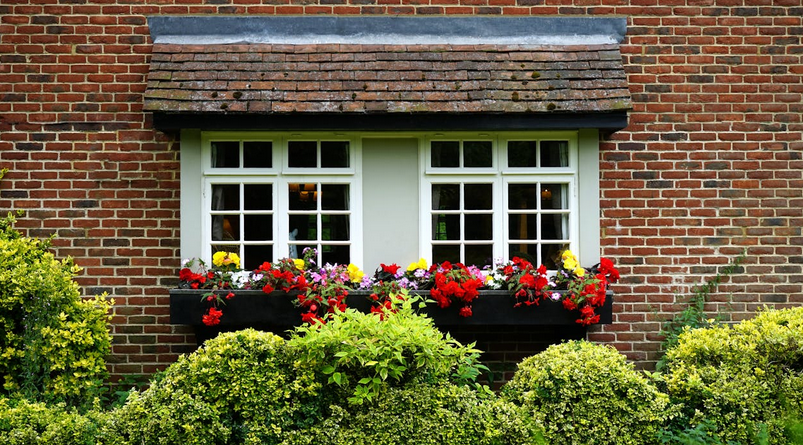
Adding colorful plants is an easy way to brighten up your landscape. Vibrant blooms can transform any garden into a lively paradise. Consider mixing various textures and heights for added dimension. Planting these beautiful little things in clusters can enhance their impact, making your outdoor space feel more inviting.

Sweat Pea

Sweet Pea is a delightful addition to any garden, known for its charming fragrance and vibrant colors. These climbing plants create a lush display that can brighten up trellises, fences, or arbors with ease. Plant them in well-draining soil and provide support as they grow. Sweet Peas thrive in cooler temperatures, making early spring the perfect time to enjoy their beauty.

Coleus

Coleus is a fabulous choice for adding vibrant pops of color to your garden. With its stunning foliage that comes in a variety of shades—like deep purple, bright lime, and fiery red—this plant can easily steal the show. These sun-loving beauties are also low-maintenance, thriving in partial shade.

Jolt Pink Dianthus

Jolt Pink Dianthus is a vibrant addition to any garden. Its brilliant pink blooms add an eye-catching splash of color, perfect for borders or containers. These hardy flowers thrive in well-drained soil and full sun, making them ideal for sunny spots. Not only are they beautiful, but they’re also low-maintenance.

Boxwood

Boxwood is a fantastic choice for any garden. These evergreen shrubs provide structure and elegance year-round, making them perfect for borders or hedges. Their lush green foliage can be easily shaped to fit your landscape design. They thrive in various climates and require minimal maintenance, allowing you to enjoy a beautiful garden without the hassle.

Adding Low-Maintenance Flowers for a Beautiful Garden
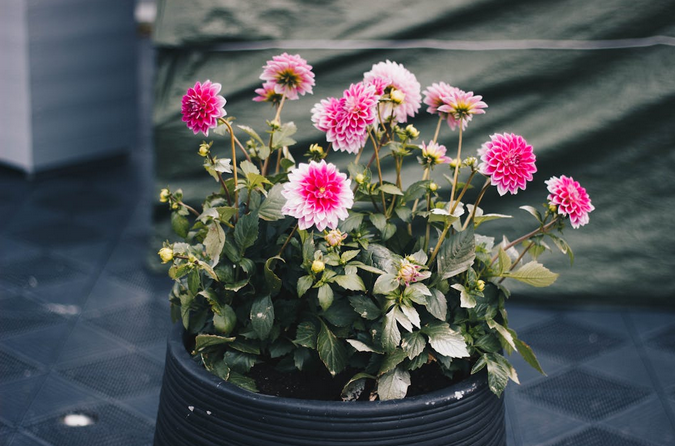
container

But if you’re really looking for beautiful blooms without the hassle, these low-maintenance flowers are your best bet. These hardy plants thrive in various conditions and require minimal care. With these choices, you can enjoy a stunning garden that is easy to maintain.

Blanket Flower

With their stunning red and yellow petals, these hardy blooms add warmth and cheer to any landscape. They thrive in full sun and tolerate drought, making them perfect for low-maintenance gardening. These cheerful flowers attract butterflies and other pollinators, enhancing the beauty of your outdoor space.

Coneflower

Coneflowers are a fantastic addition to any garden. These vibrant, daisy-like blooms attract butterflies and bees while adding a pop of color from summer to fall. Not only are they beautiful, but coneflowers also thrive in drought conditions. They require minimal care once established, allowing you more time to enjoy your blooming paradise without the hassle!

Lavender

Lavender is a fragrant perennial that adds charm and beauty to any garden. Its stunning purple blooms not only look delightful but also attract pollinators like bees and butterflies, making your landscape vibrant. This low-maintenance flower thrives in sunny spots and well-drained soil.

Creating a Flower Garden With These Design Tips

gardener

Creating a stunning flower garden involves thoughtful design. Start by selecting flowers that complement each other in color and height. Grouping plants together can create a lush, vibrant look. Consider the sun exposure of your garden beds when choosing flowers. Some thrive in full sun, while others prefer shade.

Incorporate layers to add depth—tall plants at the back and shorter ones up front work beautifully. Don’t forget about seasonal interest! Mixing early bloomers with late-season favorites keeps your garden lively all year long. With these tips, you’ll enhance your landscaping experience and showcase the best flowers for any type of garden.
Related Post

repainting the fence

Things to Consider When Choosing Skirting Boards for Your HomeThings to Consider When Choosing Skirting Boards for Your Home

When you’re renovating your home, you haven’t accounted for all the little design choices you’ll want to find along the way. Choosing skirting boards and lintels may seem like a small design choice, but they can have a big impact on the final look of a room. If you want to make a good impression, you can check build review design trends to make your furniture and accessories stand out. In this post, we will share some tips on what to consider when choosing skirting boards for your home.

Scale and Proportion

 timberConsider the size of your room when choosing baseboards: if you have high ceilings, you’ll need to choose taller baseboards. You can also change the perceived proportions of a room simply by adjusting the height of these architectural components such as baseboards or skirting boards. As a very general principle, you need to decide on baseboards that are about 1/18th of the height of the region or choose baseboards that can be as tall as about twice the diameter of your door frames.
Design

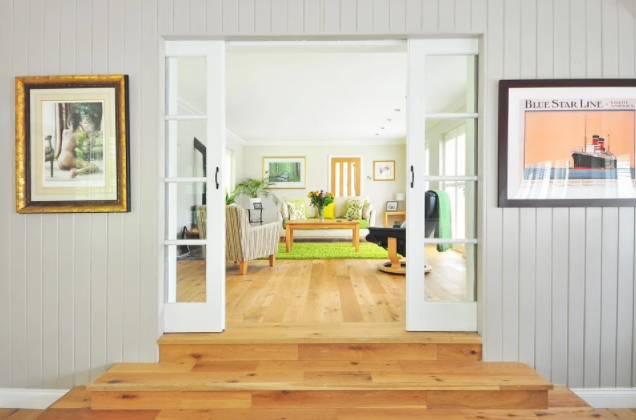
Another factor to consider is the design of your skirting board. When choosing the right baseboards for your property, consider the era and architectural design of the building. If you live in a Victorian home with high ceilings, it’s unlikely you’ll need to fit Edwardian skirting boards, and if you live in a newly built modern home, even Victorian skirting boards would look out of place. They can be an essential element of your design and it’s important not to overlook how much skirting boards can influence the feel and look of your room. When choosing the right skirting boards for your home, take the age and architectural style of the building into consideration. If you live in a Georgian house with high ceilings you’re not going to want to install Edwardian skirting boards and if you live in a modern new-build, Victorian skirting would probably look really out of place, too.

Material

MDF skirting boards are a bit more prone to warping, chipping, and cracking, but there’s no denying that they’re a very affordable alternative. If you can afford it, we recommend choosing higher quality materials because they look better, last longer, and won’t cost you at least when it comes to baseboards and lintels. For this very reason, it’s always best to go with a company like Stage Mouldings, which not only offers a wide range of high-quality products in a variety of wood styles, finishes, and sizes, but also a custom option where you’ll match any skirting board.

Home Modern Furniture

Effective Ways to Make a Small Room Look LargerEffective Ways to Make a Small Room Look Larger

Tired of being hampered in a small area? Feeling a little claustrophobic? You don’t have to hire an expensive architect and beat out those walls. Your goal should be to create a more capacious look with the craft of outlining and decorating. There are multiple features such as softness, space, color, etc. Following these tips may help you to make your room larger.

sofa

Change the Furniture

In case your living room seems not spacious these days, then this typically indicates its opportunity to attempt different forms instead of relying on traditional designs. Maybe the normal thoughts you adhere to are not useful for a modest place.

Remove Unnecessary Objects

A large living room has ample area to relax and entertain your cherished ones. Therefore, if there is anything that is in the way and makes the room seem untidy, it needs to be removed. With this approach, the room can be left uncluttered and you can sense comfort.

Design Your Rooms With Mirrors

You can hang a large mirror in the center of the room to get an essential position and get a feeling of magnitude. If feasible, put the mirror after a light spring and give it shine well and it produces a great atmosphere.

Apply Neutral Colors

Applying neutral shades on the ceiling, floor, and walls is something that can make sensations for your modest living apartment. This way can provide you the feeling of expanding the area since soft colors display light and shine up a room. Additionally, produced tones can form a relaxing environment and produce a place that seems larger.

Choose Lightweight Furniture

chair

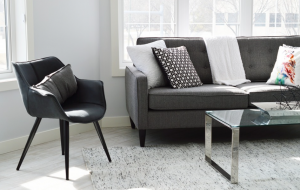
Furniture usually takes huge space in the apartment. Consequently, you have to be quite accurate when you purchase it as having a bulky and large size will not serve its purpose well. Alternatively, you have to examine its seen weight as you would like to go for its color, design, and size.

Light Up the Room

Having a light appearance will likely make rooms appear larger than they are. This is a sign that an excellent interior designer constantly applies to improve the existing area flawlessly. Your focus should be on the attention of distance, so make sure you have highlighted this area with light. Evaluate the pure light coming in from the windows, hallways, or doors, and then decide where you want to integrate with artificial light. Don’t be afraid to create shadows; they create interest and playfulness.

box

Room-By-Room Tips to Help Kids Feel at Home After RelocationRoom-By-Room Tips to Help Kids Feel at Home After Relocation

Moving can be a big adjustment for children, but thoughtful room-by-room planning can help them feel settled and secure in their new environment. Creating familiar spaces that reflect their interests, routines, and comfort needs goes a long way in easing the transition. Whether it’s designing a cozy reading corner or organizing toys just the way they like, small touches make a big impact. Much of this process starts with how to choose the ideal place to raise your family, ensuring the new home and community support your kids’ emotional and developmental needs. A little intention can make a new house truly feel like home.

Bedroom: Personalize Their Private Space 

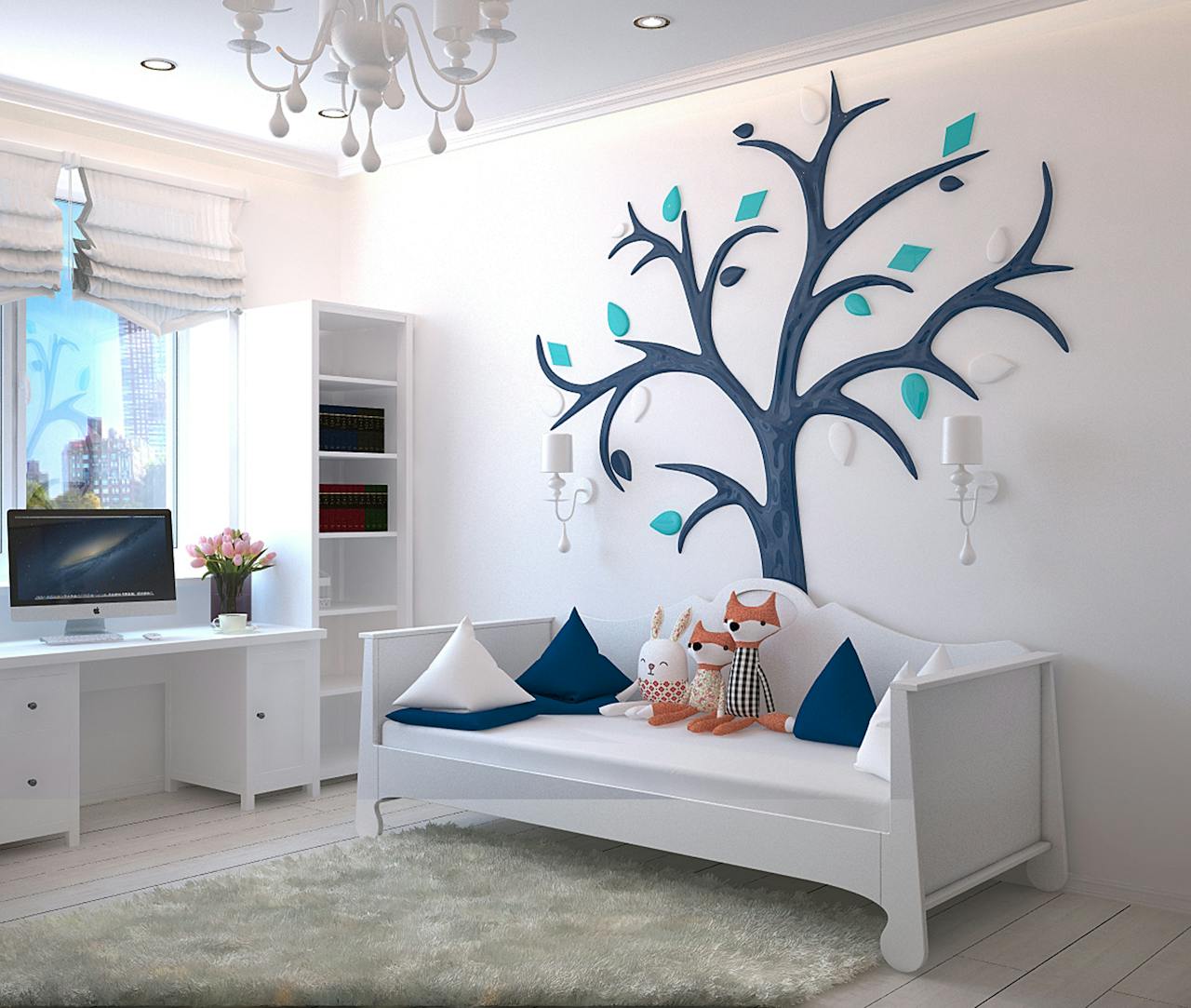
bedroom Start with the bedroom, where children spend a large portion of their time resting, playing, and processing change. Set up their bed, favorite toys, books, and familiar decorations before unpacking anything else. Use their existing bedding, lamps, or wall art to create continuity from the old home. If your child is old enough, let them help decide where things go or choose a few new items to make the space feel like their own. A personalized bedroom serves as a comforting retreat during the adjustment period. 
Living Room: Create a Cozy Family Hub 

The living room is often the heart of the home, and it should feel warm and inclusive. Include soft furnishings, blankets, and family photos to create a relaxed and welcoming atmosphere. Set up a familiar seating arrangement or dedicate a cozy corner for board games, reading, or family movie nights. Involving children in selecting or arranging books, cushions, or décor helps them feel like active contributors to the family’s shared space. 

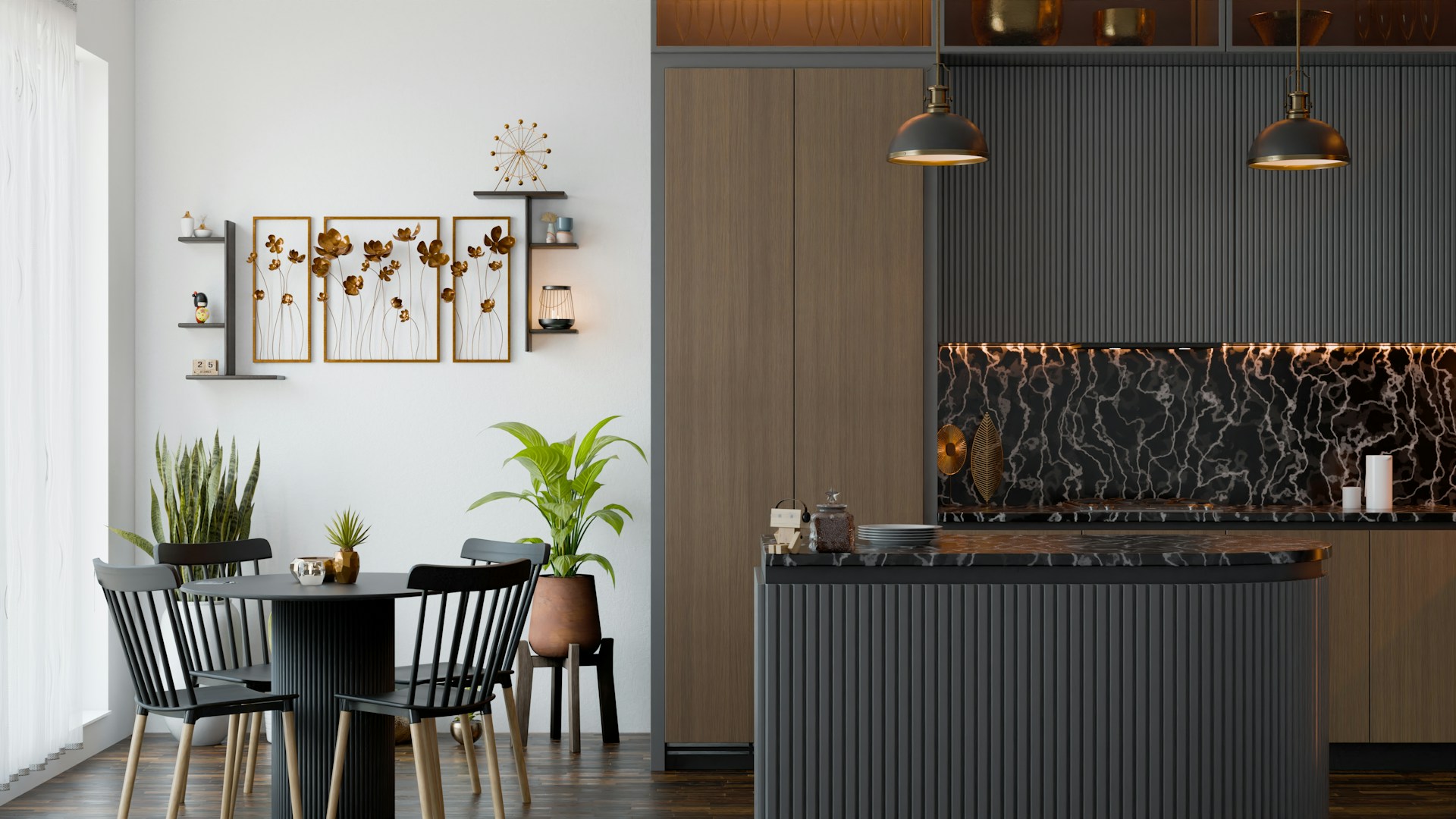
Kitchen and Dining Area: Maintain Family Rituals

kitchen

The kitchen and dining area are where daily routines take shape—meals, conversations, and connection. Keep the flow of family meals consistent and use this space to reinforce normalcy. Have your children help unpack utensils or stock the pantry with their favorite snacks. Try to replicate routines from your previous home, such as breakfast together or after-school snacks at the counter. Familiar rituals in a new setting help reinforce emotional stability and comfort. 

Play Area or Study Corner: Encourage Engagement 

Whether you have a dedicated playroom or just a section of another room, designate a space where kids can express themselves freely. Set up toys, crafts, and games quickly so they can return to the activities they enjoy most. For older children, establish a comfortable and well-lit homework or study area. These functional zones help reinforce a sense of routine and normalcy while keeping kids engaged and active during the transition.

Bathroom: Set Up for Comfort and Independence 

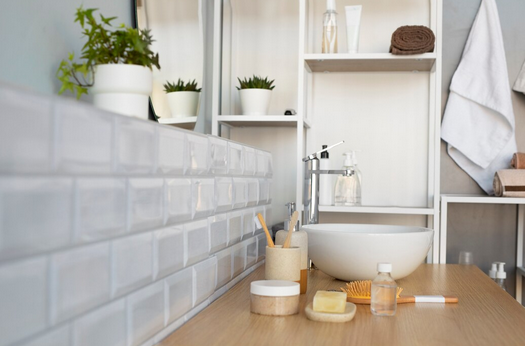
sinkEven the bathroom can be a source of security for kids when set up thoughtfully. Make sure they know where everything is, from toothbrushes to towels, and use step stools or hooks suited to their height. Bring in their usual bath products, toys, or towels in familiar colors. If space allows, give each child their drawer or basket to help them feel a sense of ownership and control in the new home. 

Helping children feel at home after relocation isn’t about big gestures—it’s about small, intentional choices made in every room. By creating familiar, functional, and welcoming spaces throughout your new house, you offer comfort and stability when your child needs it most. With your support and a room-by-room focus, your new home can quickly become a safe and joyful place where your children feel secure, settled, and happy.