FO Homes Inc Home Things to Consider When Choosing Skirting Boards for Your Home

Things to Consider When Choosing Skirting Boards for Your Home

Things to Consider When Choosing Skirting Boards for Your Home post thumbnail image

When you’re renovating your home, you haven’t accounted for all the little design choices you’ll want to find along the way. Choosing skirting boards and lintels may seem like a small design choice, but they can have a big impact on the final look of a room. If you want to make a good impression, you can check build review design trends to make your furniture and accessories stand out. In this post, we will share some tips on what to consider when choosing skirting boards for your home.

Scale and Proportion
 timberConsider the size of your room when choosing baseboards: if you have high ceilings, you’ll need to choose taller baseboards. You can also change the perceived proportions of a room simply by adjusting the height of these architectural components such as baseboards or skirting boards. As a very general principle, you need to decide on baseboards that are about 1/18th of the height of the region or choose baseboards that can be as tall as about twice the diameter of your door frames.

Design

Another factor to consider is the design of your skirting board. When choosing the right baseboards for your property, consider the era and architectural design of the building. If you live in a Victorian home with high ceilings, it’s unlikely you’ll need to fit Edwardian skirting boards, and if you live in a newly built modern home, even Victorian skirting boards would look out of place. They can be an essential element of your design and it’s important not to overlook how much skirting boards can influence the feel and look of your room. When choosing the right skirting boards for your home, take the age and architectural style of the building into consideration. If you live in a Georgian house with high ceilings you’re not going to want to install Edwardian skirting boards and if you live in a modern new-build, Victorian skirting would probably look really out of place, too.

Material

MDF skirting boards are a bit more prone to warping, chipping, and cracking, but there’s no denying that they’re a very affordable alternative. If you can afford it, we recommend choosing higher quality materials because they look better, last longer, and won’t cost you at least when it comes to baseboards and lintels. For this very reason, it’s always best to go with a company like Stage Mouldings, which not only offers a wide range of high-quality products in a variety of wood styles, finishes, and sizes, but also a custom option where you’ll match any skirting board.


Leave a Reply

Your email address will not be published. Required fields are marked *

Related Post

Laptop

How to Make Your Home-Based Business Eco-FriendlyHow to Make Your Home-Based Business Eco-Friendly

Going green is not only better for the environment but also for your company’s bottom line. Switching to greener approaches can save your company money, and it could also add to the list of things that set you apart from your competitors. By doing some research, you can learn the 5 Essentials for Promising Eco-Friendly Businesses. Here is how to make your home-based business Eco-friendly.

Make Use of Technology

Many people often go out to have a meeting. This can lead to using their cars that can cause pollution’s. By simply using technology and specifically tools for communication, you can have a meeting online without even having to step out of your home and use your car’s gasoline. In reality, this is how some people in companies have meeting.

Opt for Green Web Hosting

Did you know that the web has a significant impact on the environment? Since 2010, Green Serenity has asked major online companies to power their data centers with renewable energy. Many affordable hosting plans can help your business reduce its carbon footprints, such as GreenGeeks, HostPapa, iPage, and many others. With green hosting plans, you can ensure that your institution’s website is always up and running without having to worry about the negative impact on the environment.

Use Alternative Energy Sources

RoofIf you want to save money on electricity price while doing something valuable for the environment, consider alternative energy sources like solar, wind, or geothermal. Creating this kind of change doesn’t have to break the bank. You can look to the Small Business Establishment for regional, state, and local energy efficiency programs that offer grants and loans for businesses making green improvements.
For example, the California Solar Initiative offers cash rebates for every watt of solar energy installed on businesses, farms, homes, universities, governments, and nonprofits.

living room

Modern Elegance at Home: Subtle Color Palettes That Make a StatementModern Elegance at Home: Subtle Color Palettes That Make a Statement

When it comes to creating a stylish and sophisticated home, bold isn’t always better. In fact, some of the most elegant spaces rely on soft, subtle color palettes to make their mark. From muted neutrals to warm grays and understated pastels, these shades offer a timeless look that’s easy to build around. Modern elegance isn’t about doing more—it’s about doing less with intention. Let’s take a room-by-room tour of how the right colors, used the right way, can completely elevate your space.

Living Room: Soft Tones, Bold Impact

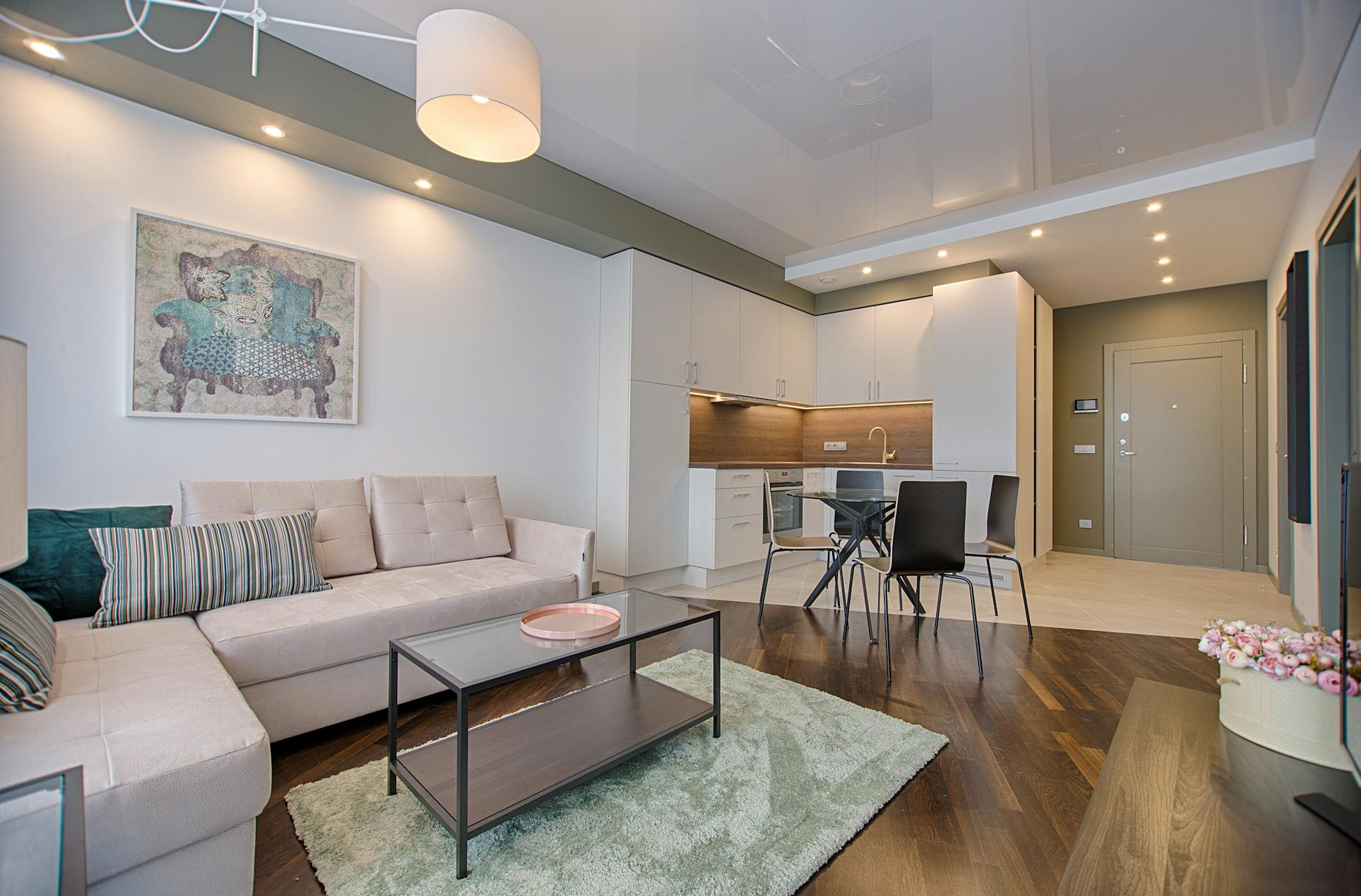
The living room is often the heart of the home, and a muted palette can bring a sense of calm and cohesion to the space. Think taupes, soft whites, and cool greiges layered with natural textures like linen or wood. If you want inspiration, see this beautiful living room transformation that used a blend of warm neutrals and soft colors to create a serene yet stylish space. With the right mix of tone and texture, even subtle shades can speak volumes.

Kitchen: Understated With Character

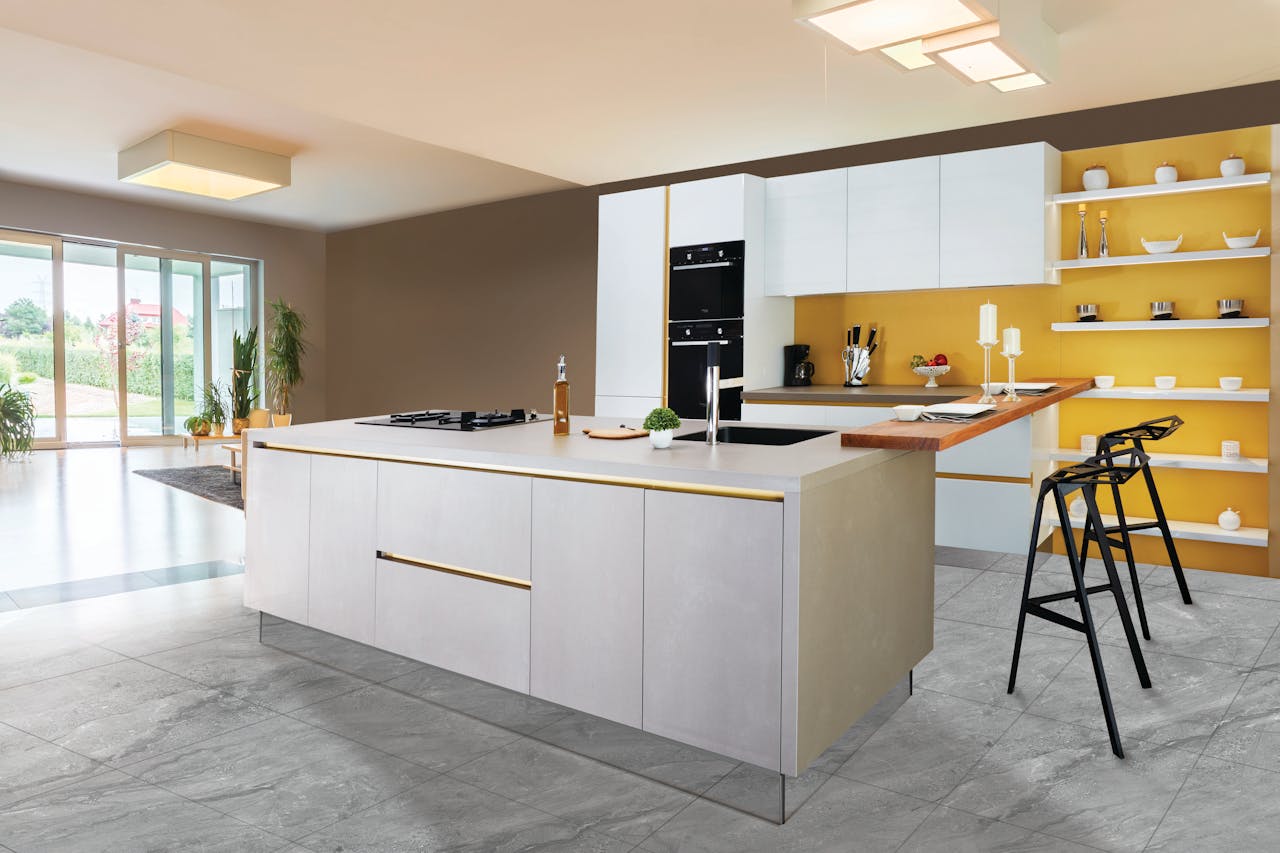
kitchenIn the kitchen, clean lines and quiet colors go a long way. Pale sage green cabinets, matte white tiles, and brushed brass fixtures can feel both modern and warm. When paired with natural wood or stone, these elements create a fresh, airy space that still feels grounded. Subtle doesn’t have to mean boring—it’s all about thoughtful combinations that balance simplicity with charm.
Bedroom: Layers of Calm

Your bedroom should be a retreat, and color plays a huge role in achieving that restful feel. Soft blue-grays, creamy beiges, and blush tones can all contribute to a serene atmosphere. Layering these colors through bedding, rugs, and drapes allows for depth without overwhelming the space. The result is a room that encourages relaxation and feels like a true escape from the chaos of daily life.

Bathroom: Minimal, But Memorable

A minimalist approach in the bathroom doesn’t mean clinical or cold. Warm whites, light stone, and brushed metal accents create a spa-like ambiance that feels indulgent but clean. Soft, subtle colors also make small bathrooms feel larger, reflecting light and enhancing a sense of openness. Add texture with woven towels or a wood bath mat to soften the overall aesthetic.

Dining Room: Moody Neutrals for Atmosphere

dining

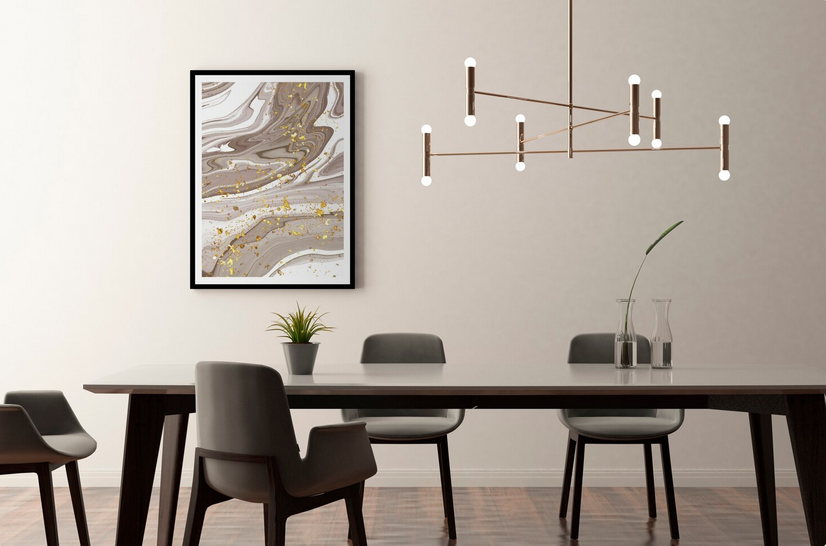
The dining room is the perfect place to experiment with moodier neutrals. Deep mushroom tones, soft charcoal, or muted navy can create an intimate, dramatic setting that still feels sophisticated. Paired with low lighting and sleek furniture, these hues bring a sense of elegance that’s both modern and inviting. It’s a great example of how color can completely shape the energy of a room.

Home Office: Balanced and Focused

For a workspace that keeps you focused without feeling sterile, opt for grounded tones like clay, dusty blue, or soft olive. These colors offer just enough personality without being distracting. The goal is to create an environment that supports productivity while still feeling connected to the design of the rest of your home. A well-designed home office can be both functional and beautiful with the right palette.

Color has the power to transform a space—but it doesn’t need to shout to be effective. Subtle palettes provide the perfect backdrop for texture, lighting, and architecture to shine. Whether you’re refreshing one room or reimagining your entire home, choosing a soft and elegant color scheme can elevate your space in ways that are both timeless and uniquely personal. Sometimes, the quietest choices make the loudest statements.

house

Building a Home? Steer Clear of These Top 7 PitfallsBuilding a Home? Steer Clear of These Top 7 Pitfalls

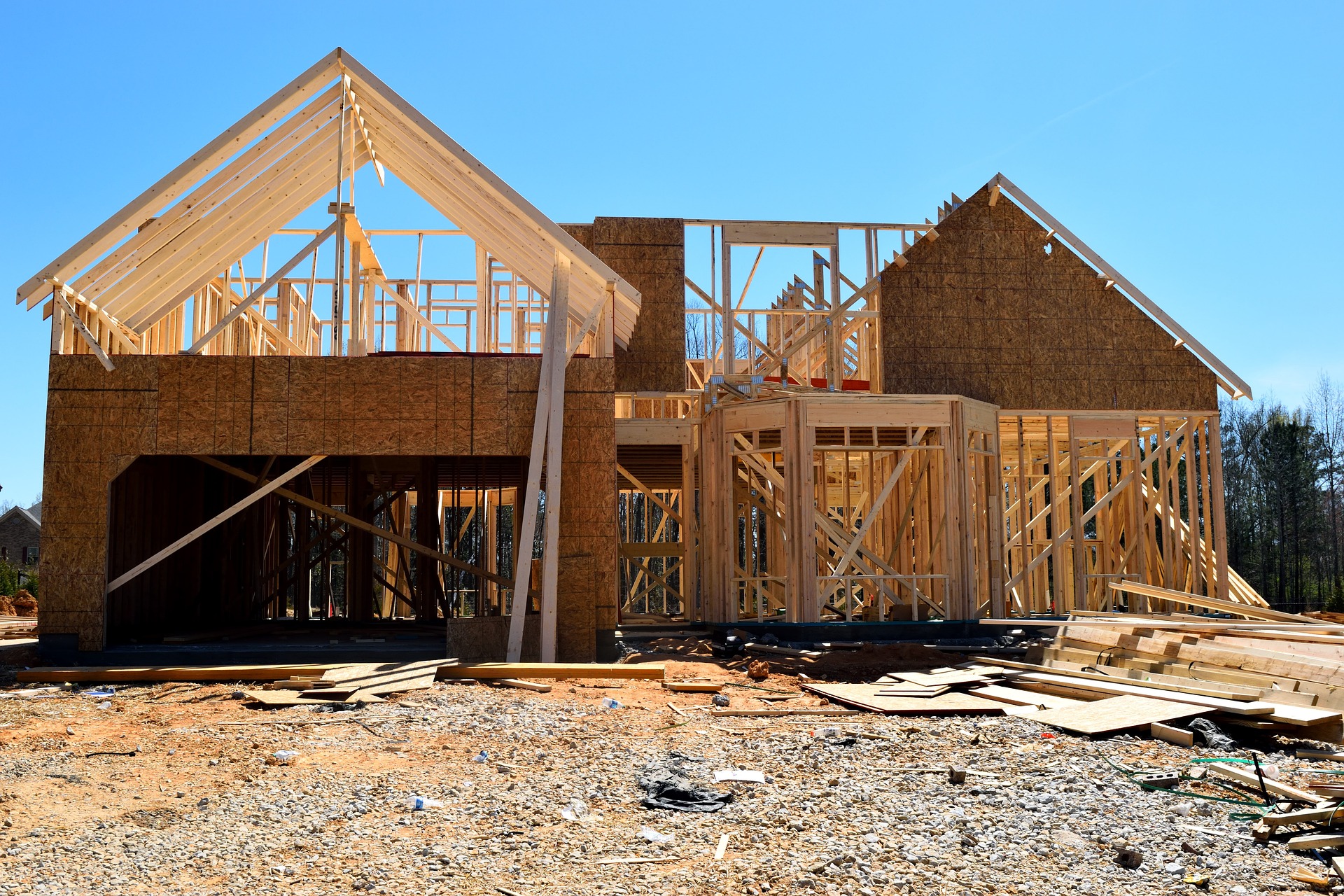
Welcome to our blog post on the most common pitfalls to avoid when building your dream home. Whether you’re a first-time homeowner or embarking on an exciting new project, constructing a house involves numerous decisions and challenges. But fear not. We have gathered the top seven pitfalls that many encounter during their home-building journey so you can steer clear of these potential disasters and ensure a smooth path toward creating your perfect abode.

laptop

Insufficient Planning and Research

Inadequate planning is a common misstep that can have far-reaching consequences. Rushing into the construction process without thorough research can lead to design flaws, unexpected costs, and regulatory complications. Take the time to research and plan meticulously, considering factors such as the choice of location, design preferences, and budget constraints.

Underestimating Budgetary Requirements

One of the most significant mistakes in home construction is underestimating the budget. Unforeseen costs can emerge during the construction process, such as issues with the site, changes in material prices, or design modifications. It’s essential to build a buffer into your budget to accommodate these uncertainties and prevent financial strain. Hausbauberater experts can help you create a realistic budget and identify potential expenses that you may not have considered.

Ignoring Energy Efficiency and Sustainability

In the era of environmental consciousness, overlooking energy efficiency and sustainability is a significant oversight. Failing to integrate eco-friendly features can lead to higher utility bills and a larger carbon footprint in the long run. Consider sustainable materials, energy-efficient appliances, and proper insulation to create a home that aligns with modern environmental standards.

people

Neglecting to Hire a Qualified Architect and Builder

The selection of a qualified architect and builder is paramount to the success of your project. Cutting corners in this area can result in subpar design, construction delays, and compromised quality. Take the time to thoroughly vet and hire professionals with a proven track record, relevant experience, and a commitment to delivering high-quality results.

Overlooking Future Needs and Lifestyle Changes

Your home should not only meet your current needs but also anticipate future requirements. Failure to consider potential lifestyle changes, such as expanding your family or accommodating elderly family members, can lead to a home that quickly becomes impractical. Plan for adaptability and flexibility in your home’s design.

cement

Skipping the Inspection and Quality Assurance Processes

Regular inspections and quality assurance measures are vital throughout the construction process. Skipping these steps can result in substandard workmanship and the need for costly repairs down the line. Insist on regular inspections, address issues promptly, and ensure that the construction adheres to the approved plans and specifications.

Inadequate Communication With Your Builder

Effective communication is the backbone of a successful construction project. Misunderstandings, misinterpretations, and assumptions can lead to errors and delays. Maintain open lines of communication with your builder, express your expectations clearly, and address concerns promptly. Regular meetings and updates ensure everyone is on the same page.

Building a home is a significant investment that requires careful consideration and strategic planning. By avoiding common mistakes such as insufficient planning, underestimating the budget, neglecting sustainability, and overlooking the importance of qualified professionals, you can navigate the construction process with confidence. Learn from the experiences of others, stay engaged in the process, and prioritize communication to ensure that your dream home becomes a reality without the headaches of avoidable mistakes. With thoughtful planning and a commitment to quality, you can build a home that not only meets but exceeds your expectations.