

In the realm of real estate decisions, the age-old debate between building a home from scratch or buying an existing property continues to intrigue prospective homeowners. According to Versteigerungspool.de, each option comes with its own set of advantages and considerations, influenced by current market trends and individual circumstances. Let’s delve into when it might be advantageous to build your dream home and when purchasing an existing property could be the wiser choice.
Building Your Dream Home: Tailored to Perfection
 Building a home offers unparalleled customization opportunities. From the layout and architectural style to the smallest details like fixtures and finishes, every aspect can be tailored to meet your personal preferences and lifestyle. This level of customization ensures that your new home perfectly aligns with your vision and needs, making it a compelling choice for those with specific tastes or requirements.
Embracing Energy Efficiency and Modern Technology
Advancements in building materials and technologies have made newly constructed homes more energy-efficient than ever before. From solar panels and smart home systems to superior insulation and energy-efficient appliances, building from the ground up allows you to integrate the latest sustainable practices. This not only reduces your carbon footprint but also lowers long-term utility costs, which are significant considerations in today’s environmentally conscious world.
Avoiding Renovation Hassles and Maintenance Issues
One of the primary advantages of building a new home is avoiding the potential pitfalls and costs associated with renovations and maintenance that often come with older properties. Everything in a newly built home is brand new and under warranty, offering peace of mind and potentially saving you from unexpected repair expenses in the near future.
Buying an Existing Property
For many homebuyers, purchasing an existing property offers convenience and the opportunity to move into a well-established neighborhood with mature landscaping and community amenities. Existing homes also are available for immediate occupancy, eliminating the wait associated with new construction.
Appreciating Historical Charm and Character
Older homes often boast unique architectural features, historical charm, and craftsmanship that may be challenging or costly to replicate in new construction. For those who appreciate the allure of period details and a sense of history, buying an older home can offer a distinct appeal and aesthetic that new builds may not replicate.
In Conclusion
 Ultimately, the decision to build or buy a home depends on your individual preferences, financial situation, and current market conditions. Whether you choose the creative freedom and energy efficiency of building new or the convenience and charm of buying existing, both options present unique advantages. By carefully evaluating your priorities and consulting with real estate professionals, you can make an informed decision that aligns with your long-term goals and aspirations in homeownership.
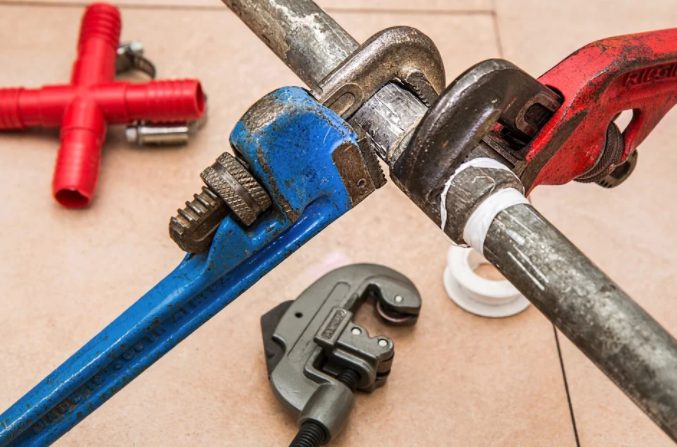
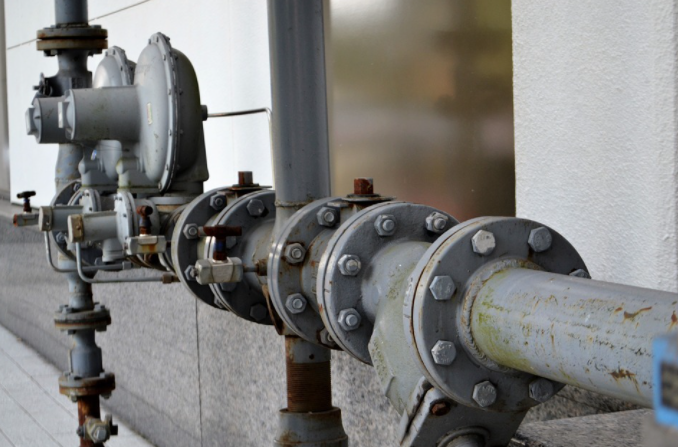
 A clogged drain or pipe is a common problem that residents face daily. A clogged drain is an inconvenience and should be repaired immediately. A small blockage can slow the flow of water in pipes. Plumbers use a variety of tools and techniques to locate and remove clogs. If you have the right tools and knowledge, some problems, like a clogged sink, can be fixed without professional help.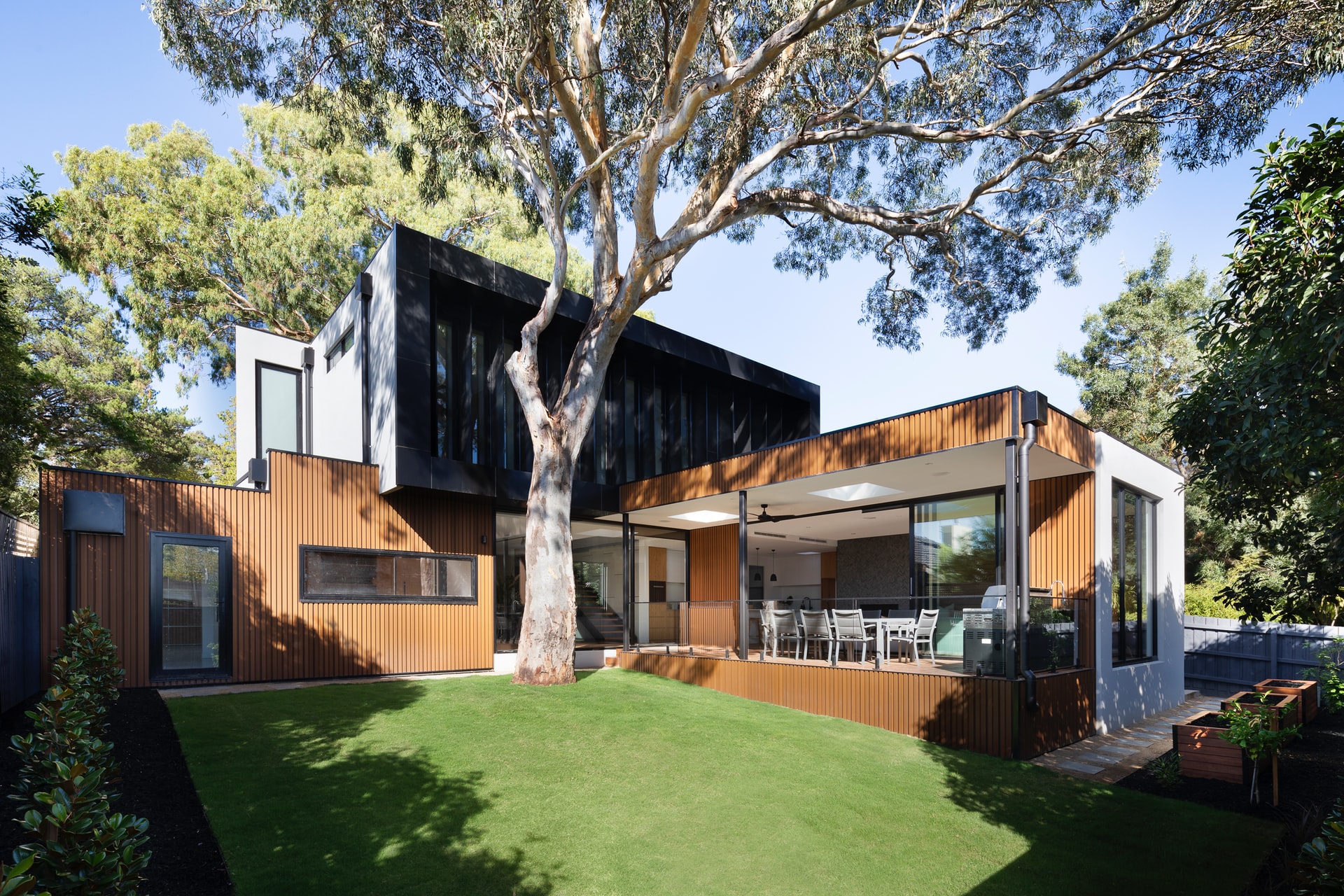
 Render House is a program-based online device that conveys various projects that help architects make a few plan work of art adaptations. The simple to-utilize ongoing delivering motor makes Rendering House the ideal option for working with clients permitting substances, tones, or furniture choices to be eliminated to the fly and occupied inconsistent with living spaces.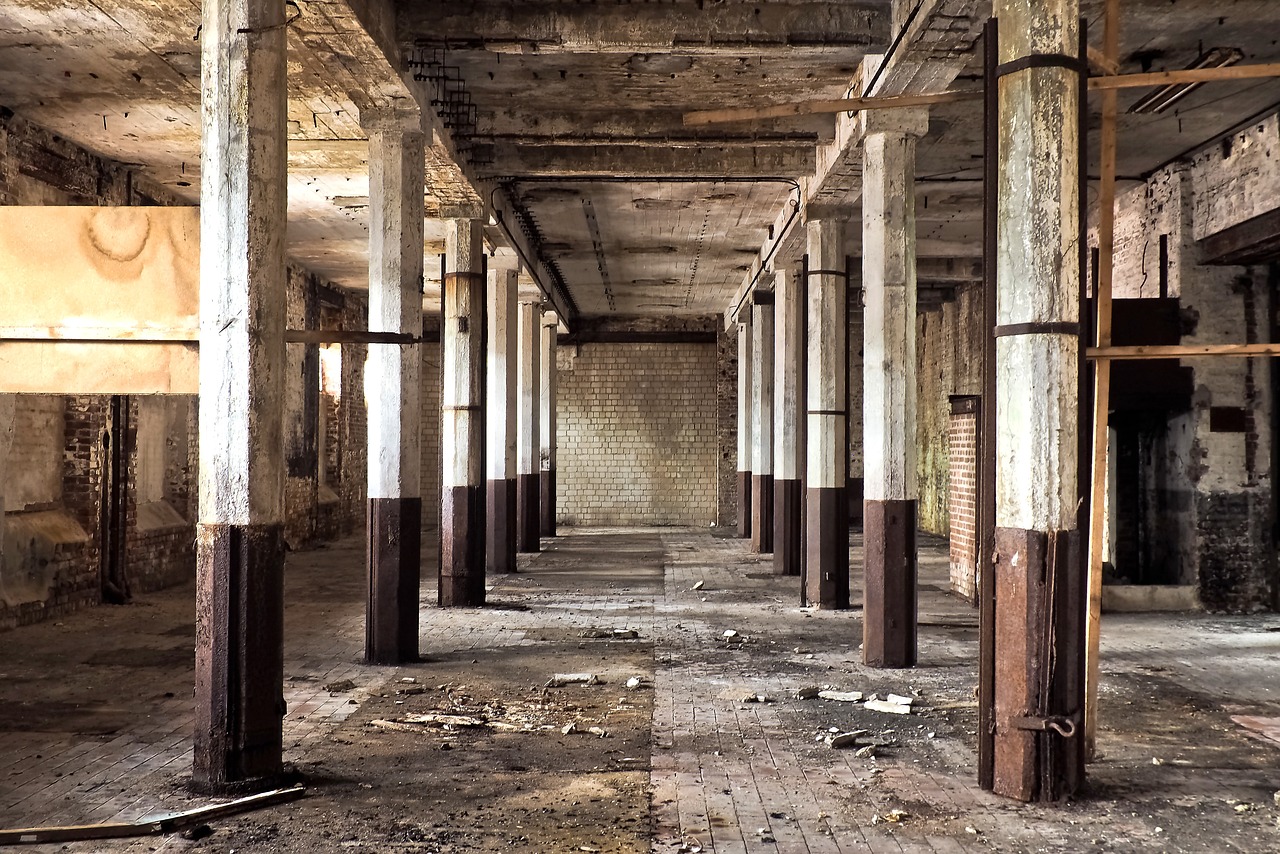
 Moisture and water intrusion are perhaps the most common challenges faced when renovating a basement. After all, being below ground level makes basements more susceptible to dampness and leaks. The last thing you want is to invest time and money into creating a beautiful new space only to have it ruined by moisture-related issues. One of the first steps in tackling this challenge is identifying the source of the moisture. Is it coming from groundwater seepage, poor drainage, or leaky pipes? Once you’ve pinpointed the problem, take immediate action to address it. This may involve installing proper waterproofing measures such as sealants or membranes on walls and floors.
 Proper ventilation is vital in any living space, and basement renovations often present unique challenges when it comes to achieving adequate airflow. With limited access to natural light and outdoor air sources, basements can quickly become stuffy and prone to poor air quality. One of the main challenges in basement renovations is creating effective ventilation systems that balance energy efficiency with proper airflow. Traditional windows may not be an option for basements located below ground level, making it necessary to explore alternative solutions such as window wells or egress windows.