
FO Homes Inc Home Four Common Issues With Home Roofing

Four Common Issues With Home Roofing

Four Common Issues With Home Roofing post thumbnail image

The roof is one of essential parts of your home or property. However, depending on the type of roofing you have installed, along with the requirements of your region, it is not uncommon to face various roofing problems, some of which require expert repairs or perhaps roof replacement. You can learn more about the roofing problems at Diner Delivery. Fortunately, roofers have what it takes to restore your roof and take care of any issues you might have with your roof. But considering that some of these problems can be costly, it’s best to have regular roof inspections and maintenance so that small issues are handled before they become bigger and more expensive. Here are the most common roofing problems you may encounter.
Four Common Issues With Home Roofing

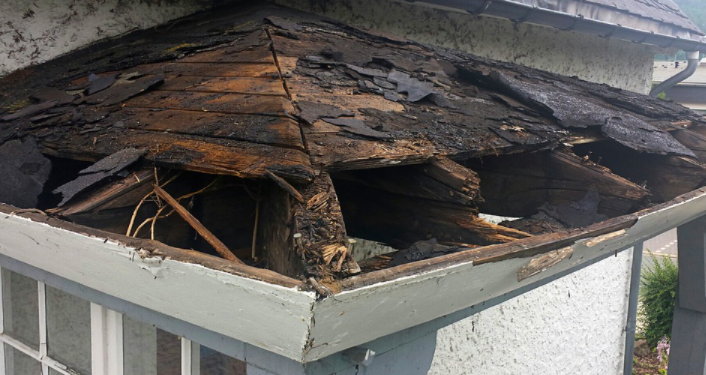
Damages on the Shingles

A cosmetic roofing solution protects the underlying structures of your roofs from the elements. But over time, they can deteriorate due to UV rays, wind, and rain. Warped, cracked, or missing shingles require a roof repair, along your roofing contractor will be able to provide the answers you need to do so. They start small and are not considered a big problem, but they get bigger and trigger more problems, such as cracks. Shrinkage causes uneven shrinkage in the roof layers, which then affects the roof structure and these problems because of the flashing. Both blistering and shrinkage, along with many other problems, can cause the roof to disintegrate, compromising its integrity.

Leaking Roof
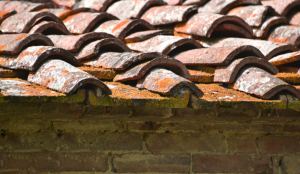
Four Common Issues With Home RoofingLeaking roof is the most common roofing issue. These are major roofing difficulties that should always be repaired after being diagnosed until they cause damage to your valuables and your home. Since many of these leaks can be difficult to identify until there are clear signs of water damage, it’s safest to schedule a periodic roof and home inspection to ensure your roof is waterproof. Hiring a professional roofer also addresses some problem areas before they become major issues. As it becomes a major issue, the repair cost will increase a lot.

Ponding Water

If you discover standing water on your roof, then you have a drainage problem that needs to be addressed. The ideal way to determine if you have drainage issues would be to look at your roof after a rainstorm. It is best to have these issues repaired before water stains start appearing on your roof. Normally, water shouldn’t collect anywhere on the roof. But due to factors like poor installation, water forms puddles around the roof. It increases the risk of water damage to the roof and creates a drainage problem.

Punctures

These are usually the result of damage to the roof structure caused by wind or hail. Typically, ice and waterproofing around penetrations can be destroyed, leaving some areas of the roof exposed instead of being as practical as they should be. It can help perform periodic roof inspections to make sure that everything, including the sealant, is actually in place and doing its job. This stuff is introduced by normal walking and creature visitors to the roof. The more pressure exerted on the roof will cause the greater the number of punctures in the ceiling. However, animals also immediately promote the issue.
Leave a Reply

Your email address will not be published. Required fields are marked *

Related Post

luxury home

Hydronic Heating as a Value-Adding Feature in Luxury HomesHydronic Heating as a Value-Adding Feature in Luxury Homes

Luxury homes are defined by comfort, craftsmanship, and thoughtful detail. Buyers at the premium end of the market expect more than attractive finishes. They look for systems that enhance everyday living. Heating plays a central role in that experience. Among modern options, hydronic heating has become increasingly attractive in high-end residential design, prompting many buyers to view site specifications closely before making a decision. Hydronic systems circulate heated water through pipes installed beneath floors or within wall panels. Instead of blowing warm air into rooms, they radiate heat evenly. This method changes how a space feels. In luxury homes, that difference can add measurable value.

The Comfort Advantage of Radiant Heat

heating system

Comfort in a luxury property goes beyond temperature readings. It involves how warmth is distributed. Hydronic heating provides consistent, gentle heat from the ground up. Floors remain warm underfoot. Cold spots are minimized. Unlike forced-air systems, radiant heat does not rely on continuous airflow. There are no drafts or sudden bursts of hot air. Rooms feel stable and calm. This type of comfort appeals strongly to buyers seeking refined living environments. Subtle details shape perception. Even heat distribution creates a sense of quality that standard systems often lack.

Architectural Freedom and Clean Design

Luxury homes often feature expansive glazing, high ceilings, and open layouts. Traditional heating systems may require visible vents or bulky ductwork. Hydronic systems operate discreetly. Underfloor piping remains hidden. Walls and ceilings are free from large mechanical components. Designers gain flexibility. Furniture placement is not constrained by vent locations. This integration supports minimalist interiors. Clean lines and uninterrupted surfaces enhance visual appeal. In high-value properties, design coherence influences both enjoyment and resale potential. By eliminating visible hardware, hydronic heating aligns with architectural intent.

Energy Efficiency and Operational Performance

energy efficiency

Efficiency matters even in luxury markets. While buyers may prioritize comfort, long-term operating costs still influence perception of value. Hydronic heating systems are known for efficient performance. Water retains heat effectively. Lower water temperatures can maintain comfort compared to air-based systems. When paired with modern boilers or heat pumps, hydronic setups reduce overall energy demand. Zoning options further improve efficiency. Different areas of the home can be controlled independently. This ensures that energy is not wasted heating unused spaces. Operational savings accumulate over time. In high-end properties, efficient systems reinforce the impression of intelligent design.

Quiet Operation and Indoor Air Quality

Silence contributes to luxury. Mechanical noise can disrupt tranquility in large homes. Hydronic systems operate quietly. There are no loud fans cycling on and off. This quiet performance enhances daily living. Bedrooms and living spaces remain undisturbed. Home offices benefit from consistent ambient conditions. Indoor air quality also improves. Because hydronic heating does not circulate air, dust, and allergens are not pushed through ducts. This creates a cleaner environment. Buyers increasingly value health considerations. A system that reduces airborne particles supports this priority.

Integration With Modern Sustainable Technologies

smart home integration

Luxury homes often incorporate sustainable technologies. Solar panels, geothermal systems, and advanced insulation are common. Hydronic heating integrates effectively with these solutions. For example, solar thermal systems can preheat water for circulation. Geothermal heat pumps pair well with hydronic distribution. These combinations reduce environmental impact while maintaining performance. In high-performance homes, lower heating loads allow hydronic systems to operate efficiently. The synergy between envelope design and heating method strengthens overall sustainability. This integration enhances property appeal. Buyers seeking modern, responsible design recognize the advantage.

Perceived Value and Market Appeal

In competitive luxury real estate markets, distinctive features differentiate properties. Hydronic heating signals attention to detail. It suggests investment in long-term comfort rather than basic compliance. Real estate agents often highlight underfloor heating in listings. It becomes part of the narrative around quality. Prospective buyers associate radiant warmth with upscale living. The value addition is both practical and psychological. Comfort improves daily experience. Perception of quality influences pricing and negotiation. For developers, incorporating hydronic systems can elevate project positioning. For homeowners, it can enhance resale appeal in premium segments.

Hydronic heating represents more than a mechanical upgrade. It enhances comfort, supports architectural freedom, and integrates with modern sustainable technologies. Its quiet operation and consistent warmth align with expectations of high-end living. In luxury homes, value lies in thoughtful design choices. Radiant heating contributes to that standard. It reflects a commitment to performance and experience. As buyer expectations continue to evolve, features that combine efficiency, discretion, and comfort gain importance. Hydronic heating fits this profile. It transforms everyday warmth into a refined element of luxury living.

lights

From Dull to Dazzling: Essential Maintenance Hacks for Gemstone LightsFrom Dull to Dazzling: Essential Maintenance Hacks for Gemstone Lights

Gemstone lights are a beautiful and captivating addition to any outdoor space, adding elegance and charm to your surroundings. However, like any lighting fixture, they require regular maintenance to ensure their longevity and optimal performance. In this article, we will discuss essential maintenance hacks for gemstone lights that will transform them from dull to dazzling. If you need the best Gemstone Lights Phoenix AZ, you can visit this site to find the best dealer and illuminate your space with stunning outdoor lighting solutions.

Cleaning and Dusting

Regular cleaning and dusting are essential to maintain the brilliance of your gemstone lights. Over time, dust, dirt, and debris can accumulate on the surface of the lights, diminishing their shine and clarity. To clean your gemstone lights, start by turning off the power supply. Use a soft, damp cloth or sponge to wipe the surface, removing any dirt or residue gently.

Inspecting for Damage

Regular inspections are crucial to identify any potential damage or issues with your gemstone lights. Check for any cracks, chips, or loose connections that may affect the performance of the lights or pose a safety hazard. Inspect the wiring and connectors for signs of wear or corrosion. If you notice any damage or loose parts, it is important to address them promptly. Depending on the severity of the issue, you may need to repair or replace the affected components.

bulb

Regular Bulb Replacement

Gemstone lights often use LED bulbs, which are known for their long lifespan. However, over time, these bulbs may start to dim or become less efficient. It is important to check the brightness and functionality of the bulbs regularly. If you notice any bulbs that are not lighting up or are significantly dimmer than the rest, it is time for a replacement. LED bulbs are generally easy to replace, and most gemstone lights come with spare bulbs or have replacement options available.

Protecting From Harsh Weather

Gemstone lights are designed to withstand various weather conditions, but it is still important to protect them from extreme elements. During harsh weather, such as heavy rain, snow, or strong winds, take precautionary measures to safeguard your gemstone lights. Install weather-resistant covers or enclosures to shield the lights from direct exposure. If your gemstone lights are installed near trees or shrubs, trim any overhanging branches that may damage the lights during storms.

Proper maintenance is key to keeping your gemstone lights looking their best and preserving their enchanting glow. Regular cleaning, inspections for damage, protection from harsh weather, and regular bulb replacement are all essential factors in maintaining the brilliance of gemstone lights.

Easy Tips to Choose the Best Home Design StyleEasy Tips to Choose the Best Home Design Style

Home is our very own place to relax and enjoy our lives. So, making sure our homes look good and comfortable is always a good idea. The best way to do so is to apply a unique style of interior design to our home. There are many styles when it comes to home design. An article at womanaroundtown.com/ will enlighten you with those styles. Now, you can choose minimalism if you are minimalist. Or, you can choose to install feature walls so that you have unique walls around you. You will have to spend a lot of time selecting the best home design to suit your lifestyle and needs. There are some things to keep in mind when choosing a home design. Let’s take a look at how to choose a home design style that best fits you.

Home Design Tips

Understand Your Needs and Lifestyle

When building a home, it is essential to consider the needs and lifestyle of your family. However, you must be confident in your plans for your family’s future. For example, you should choose a pink home design that suits your taste. Your landscape is also essential. A retired couple will have a completely different housing plan than a young couple. It is important to consider your lifestyle and needs before deciding on the design of your home.

Don’t Neglect Your Privacy

Home Design TipsSome homeowners want more privacy in their offices and living spaces. Others prefer a smaller home. It would help if you also considered how much privacy you want from your neighbors and other residents. Therefore, you should consider a U-shaped or L-shaped house plan. These house plans offer you more privacy when building your home.

Learn Some Aesthetics and Furnishings for Each Style

The floor plan you choose for your new home should be considered. It will allow you to place your furniture. It would help if you also thought the furniture and seating arrangements. This will affect the overall look of the room. You should measure your furniture before deciding how much space you need.

Consider the Outdoor Space

The natural and geographical features of your property will affect the style of your home. It would help if you also considered how much space you need for plants, gardens, or pools. If you already have building land, it is essential to consider these factors and plan your home according to your needs and requirements.

Pick a Building Lot

Homes on flat land are affordable and easy to build on. On a sloping lot, you can build a basement and put the garage under the house. When making a home, you should also consider the number of cars you plan to use. If you have many visitors to your home, you should feel the space available for parking. If you have a house plan, you do not have to choose a plot of land on which to build it.