
FO Homes Inc Home Things to Set Up for Designing a Handicapped-Accessible Office Space

Things to Set Up for Designing a Handicapped-Accessible Office Space

Things to Set Up for Designing a Handicapped-Accessible Office Space post thumbnail image

Setting up your office to be an ADA-compliant office is critical to creating a foundation that allows your disabled friends and staff to work well. If your office does having a casp report mean you’re compliant to accessible office space. If your staff have a physical disability, it is even more important to make sure that your workspace is ideal for their needs and that all reasonable accommodations are made to be comfortable and work effectively.

Things to Set Up for Designing a Handicapped-Accessible Office Space

Accessible Office Desks

The most fundamental of all office furniture, the desks in your office are where your whole staffs and you may spend 8 hours a day, five days a week writing reports, taking phone calls, handling emails, and holding meetings, so it makes sense to start making your office desks as comfortable as possible. You can try to learn the Americans with Disabilities Act (ADA) regulations, so you can make sure you do the correct thing to set up your office.

Comfortable Adjustable Chairs

It’s essential to remember to find a chair that fits their desk. There are many handicap-accessible seating options, such as chairs with lumbar support, which will give you the support you need if you have back problems. Aside from that, there are also some sets of height-adjustable or adjustable chairs so those office seats will work with the desk support they choose. Flexible armrests that can be raised or lowered depending on your height should also be installed.

Specially-Designed Office Equipment

Things to Set Up for Designing a Handicapped-Accessible Office SpaceWhen your desk is comfortable, you need your office equipment and supplies to function additionally at the appropriate level for your abilities. Consider getting an ergonomic evaluation. Many companies offer it free of charge or cover the cost of necessary modifications. You can also have your doctor perform the assessment and request a doctor’s note based on the assessment if your workstation needs to be submitted for insurance purposes or to cover costs.

There are many, many computer options to choose from. If your office provides you with a laptop (or you use your laptop to work at home) consider a lightweight option that makes your commute much easier. In case you use a desktop version, remember that there are unlimited options for different monitor variations. Remember that it’s not worth straining your neck, not seeing well, or bending over to make your personal computer work for you.

Assistive Programs

There is a huge selection of input programs available to help people with disabilities do their jobs better and manage their personal affairs on the computer. Dragon is perhaps the most well-known software for people with disabilities. The speech recognition program allows you to enter data and control the computer with your voice. VivoMouse follows the movements of your head as well as the sound of your voice to control your PC. Biggy Cursor increases the size of your cursor and offers many different colors.

Clear Space

ADA OfficeSpace is often the last thing on many companies’ minds when creating an accessible workspace. Just because a workstation or workspace can be found on one side, doesn’t mean it works or is better on all sides. Consider the turning radius of the block area. While it may be easy for people in wheelchairs or with mobility aids to get in and out of their desks, consider whether the employee will be able to turn around or is likely to be restricted in their area. Confined spaces can lead to awkward encounters with coworkers and frustrating interactions with customers.

Safe Nonslip Surfaces

Finally, consider the flooring that will be installed underneath employee workstations. Disability flooring includes nonslip, easily maneuverable surfaces. This usually means a hard-surface carpet that is easy to roll up so that a chair can pass quickly. It would be best if you made sure that all wiring in the workplace is also clear, not only to increase accessibility but also for independence issues.

Leave a Reply

Your email address will not be published. Required fields are marked *

Related Post

box

Room-By-Room Tips to Help Kids Feel at Home After RelocationRoom-By-Room Tips to Help Kids Feel at Home After Relocation

Moving can be a big adjustment for children, but thoughtful room-by-room planning can help them feel settled and secure in their new environment. Creating familiar spaces that reflect their interests, routines, and comfort needs goes a long way in easing the transition. Whether it’s designing a cozy reading corner or organizing toys just the way they like, small touches make a big impact. Much of this process starts with how to choose the ideal place to raise your family, ensuring the new home and community support your kids’ emotional and developmental needs. A little intention can make a new house truly feel like home.

Bedroom: Personalize Their Private Space 

bedroom Start with the bedroom, where children spend a large portion of their time resting, playing, and processing change. Set up their bed, favorite toys, books, and familiar decorations before unpacking anything else. Use their existing bedding, lamps, or wall art to create continuity from the old home. If your child is old enough, let them help decide where things go or choose a few new items to make the space feel like their own. A personalized bedroom serves as a comforting retreat during the adjustment period. 

Living Room: Create a Cozy Family Hub 

The living room is often the heart of the home, and it should feel warm and inclusive. Include soft furnishings, blankets, and family photos to create a relaxed and welcoming atmosphere. Set up a familiar seating arrangement or dedicate a cozy corner for board games, reading, or family movie nights. Involving children in selecting or arranging books, cushions, or décor helps them feel like active contributors to the family’s shared space. 

Kitchen and Dining Area: Maintain Family Rituals

kitchen

The kitchen and dining area are where daily routines take shape—meals, conversations, and connection. Keep the flow of family meals consistent and use this space to reinforce normalcy. Have your children help unpack utensils or stock the pantry with their favorite snacks. Try to replicate routines from your previous home, such as breakfast together or after-school snacks at the counter. Familiar rituals in a new setting help reinforce emotional stability and comfort. 

Play Area or Study Corner: Encourage Engagement 

Whether you have a dedicated playroom or just a section of another room, designate a space where kids can express themselves freely. Set up toys, crafts, and games quickly so they can return to the activities they enjoy most. For older children, establish a comfortable and well-lit homework or study area. These functional zones help reinforce a sense of routine and normalcy while keeping kids engaged and active during the transition.

Bathroom: Set Up for Comfort and Independence 

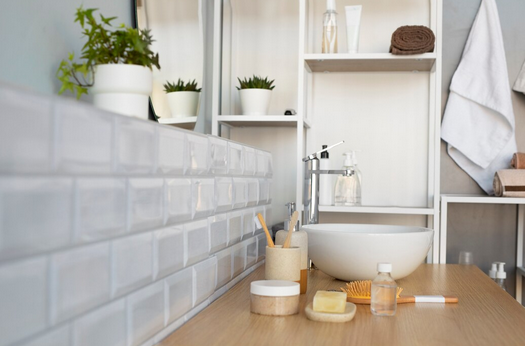
sinkEven the bathroom can be a source of security for kids when set up thoughtfully. Make sure they know where everything is, from toothbrushes to towels, and use step stools or hooks suited to their height. Bring in their usual bath products, toys, or towels in familiar colors. If space allows, give each child their drawer or basket to help them feel a sense of ownership and control in the new home. 
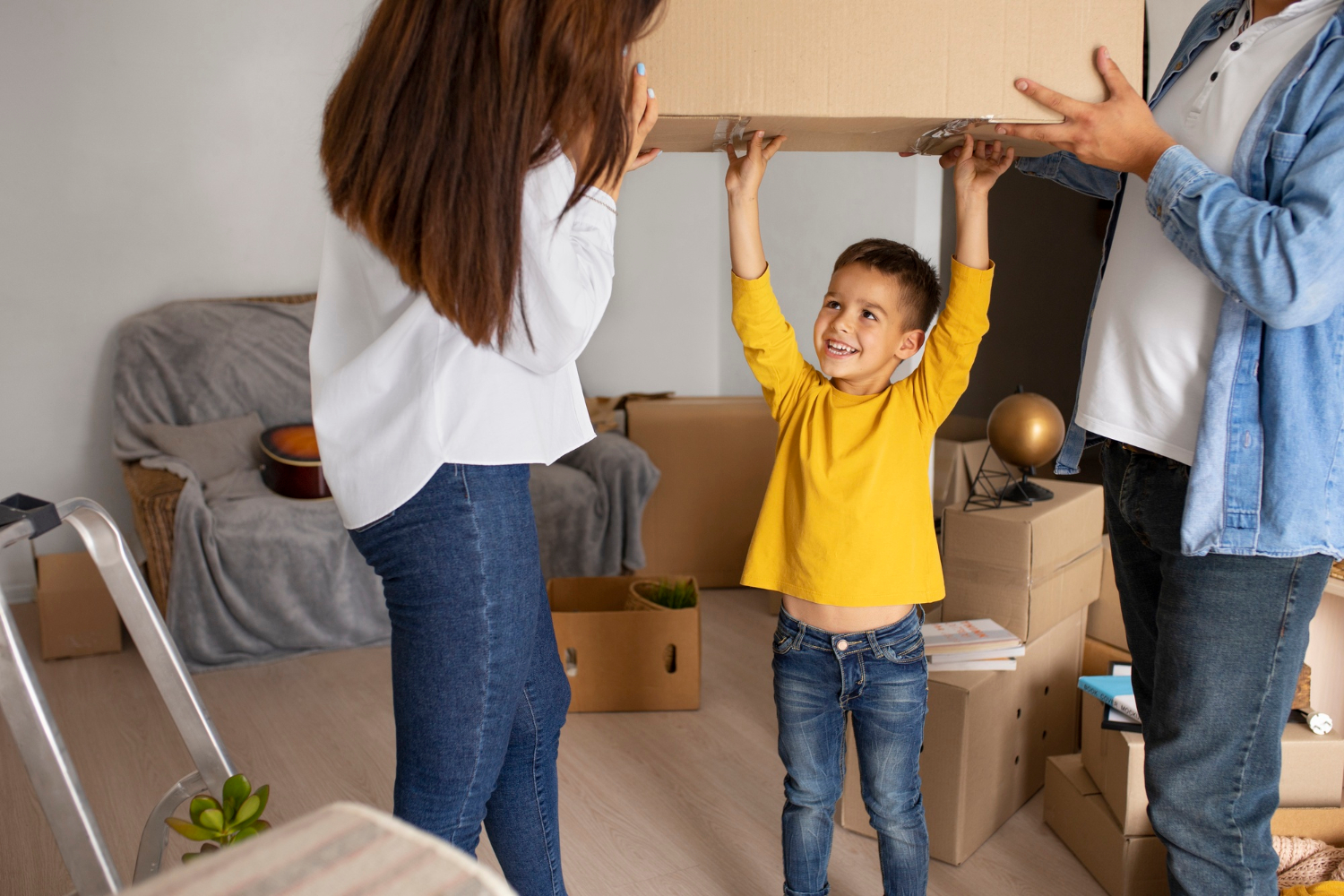
Helping children feel at home after relocation isn’t about big gestures—it’s about small, intentional choices made in every room. By creating familiar, functional, and welcoming spaces throughout your new house, you offer comfort and stability when your child needs it most. With your support and a room-by-room focus, your new home can quickly become a safe and joyful place where your children feel secure, settled, and happy. 

house

5 Reasons to Hire a Roof Contractor5 Reasons to Hire a Roof Contractor

According to Rhino Roofers, your roof is one of the essential parts of your home. Not only does it keep you and your family dry, but it also plays a role in protecting your home from the elements. That’s why it’s so important to make sure that your roof is in good condition. If you’re thinking about hiring a roofing contractor, here are five reasons why you should do it!

They Have the Experience and Expertise

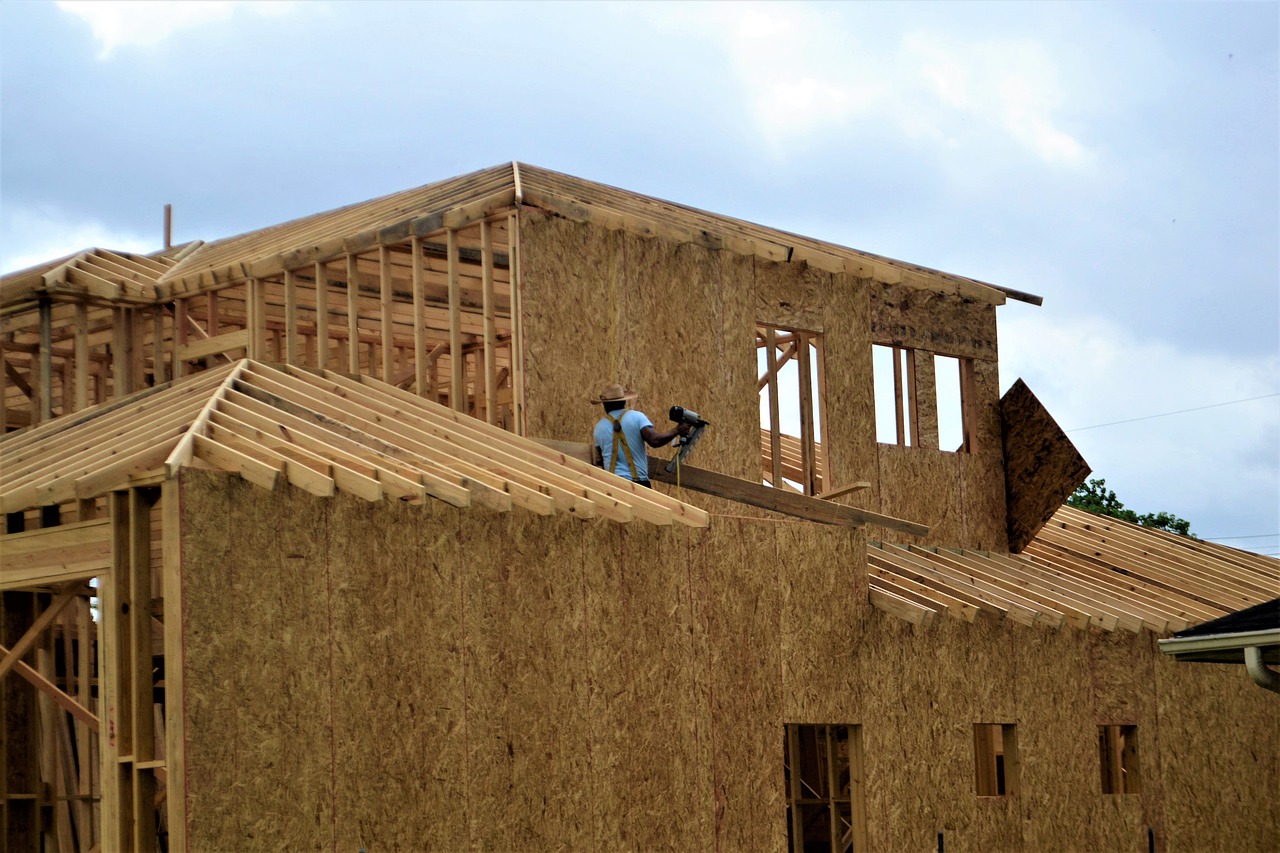
workingA good roofing contractor will have years of experience and expertise in the field. They’ll know how to properly inspect your roof, identify any problems, and recommend the best course of action. They’ll also be able to help you choose the right type of roof for your home and budget.

They Are Licensed and Insured

It’s essential to ensure that any contractor you hire is licensed and insured. This protects both you and the contractor in case of an accident or injury. A good roofing contractor will offer a warranty on their work. This means that if there are any problems with the roof after they’ve finished working on it, they’ll be responsible for fixing them.

They Can Help You Choose the Best Roofing Materials

Not all roofing materials are created equal. A good contractor will be able to help you choose the right type of roofing material for your home and climate. They’ll also be able to recommend the best color and style for your home.

They Know How to Install a Roof Properly

It’s essential to make sure that your roof is installed correctly. A good contractor will know how to do this, and they’ll also be up-to-date on the latest installation techniques. This means that you can rest assured knowing that your roof will be installed correctly and last for many years. A good roofing contractor can provide you with many benefits, including peace of mind. If you’re thinking about hiring a contractor, be sure to do your research and ask around for recommendations.


They Can Save You Money in the Long Run

houseA good roofing contractor can save you money in the long run. They’ll be able to identify any problems with your roof and fix them before they become bigger and more expensive to repair. They’ll also be able to recommend preventative maintenance measures that will help keep your roof in good condition for years to come. Your home’s roof is an integral part of the structure and should be taken care of by a professional. While you may not think about hiring a roofing contractor until something goes wrong, it’s much better to plan for potential problems.
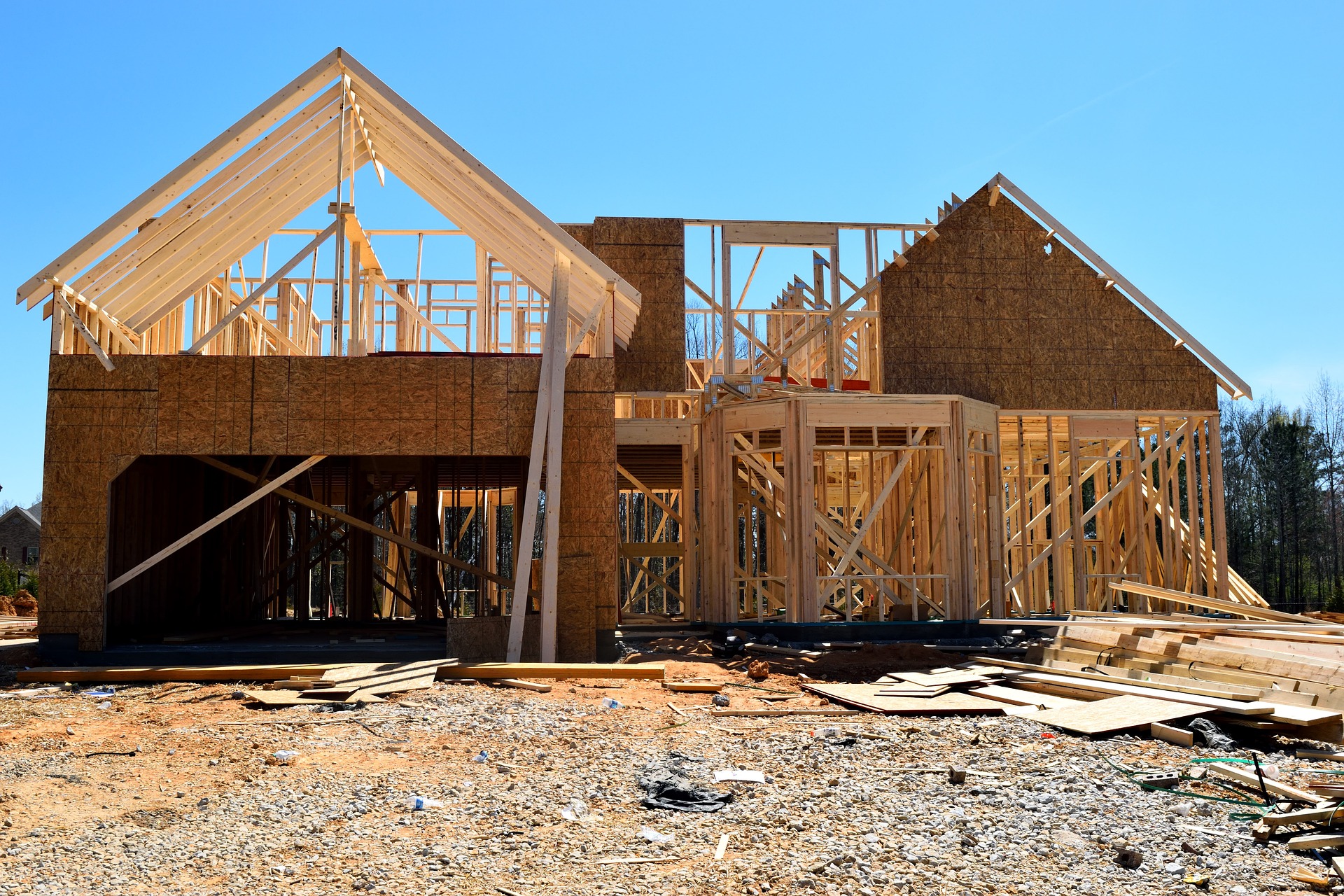

We can help you find the right person for this job, whether that’s someone who will do maintenance work or handle larger projects like replacing your entire roof. What are some reasons why homeowners hire contractors? Comment down below.

house

Building a Home? Steer Clear of These Top 7 PitfallsBuilding a Home? Steer Clear of These Top 7 Pitfalls

Welcome to our blog post on the most common pitfalls to avoid when building your dream home. Whether you’re a first-time homeowner or embarking on an exciting new project, constructing a house involves numerous decisions and challenges. But fear not. We have gathered the top seven pitfalls that many encounter during their home-building journey so you can steer clear of these potential disasters and ensure a smooth path toward creating your perfect abode.

laptop

Insufficient Planning and Research

Inadequate planning is a common misstep that can have far-reaching consequences. Rushing into the construction process without thorough research can lead to design flaws, unexpected costs, and regulatory complications. Take the time to research and plan meticulously, considering factors such as the choice of location, design preferences, and budget constraints.

Underestimating Budgetary Requirements

One of the most significant mistakes in home construction is underestimating the budget. Unforeseen costs can emerge during the construction process, such as issues with the site, changes in material prices, or design modifications. It’s essential to build a buffer into your budget to accommodate these uncertainties and prevent financial strain. Hausbauberater experts can help you create a realistic budget and identify potential expenses that you may not have considered.

Ignoring Energy Efficiency and Sustainability

In the era of environmental consciousness, overlooking energy efficiency and sustainability is a significant oversight. Failing to integrate eco-friendly features can lead to higher utility bills and a larger carbon footprint in the long run. Consider sustainable materials, energy-efficient appliances, and proper insulation to create a home that aligns with modern environmental standards.

people

Neglecting to Hire a Qualified Architect and Builder

The selection of a qualified architect and builder is paramount to the success of your project. Cutting corners in this area can result in subpar design, construction delays, and compromised quality. Take the time to thoroughly vet and hire professionals with a proven track record, relevant experience, and a commitment to delivering high-quality results.

Overlooking Future Needs and Lifestyle Changes

Your home should not only meet your current needs but also anticipate future requirements. Failure to consider potential lifestyle changes, such as expanding your family or accommodating elderly family members, can lead to a home that quickly becomes impractical. Plan for adaptability and flexibility in your home’s design.

cement

Skipping the Inspection and Quality Assurance Processes

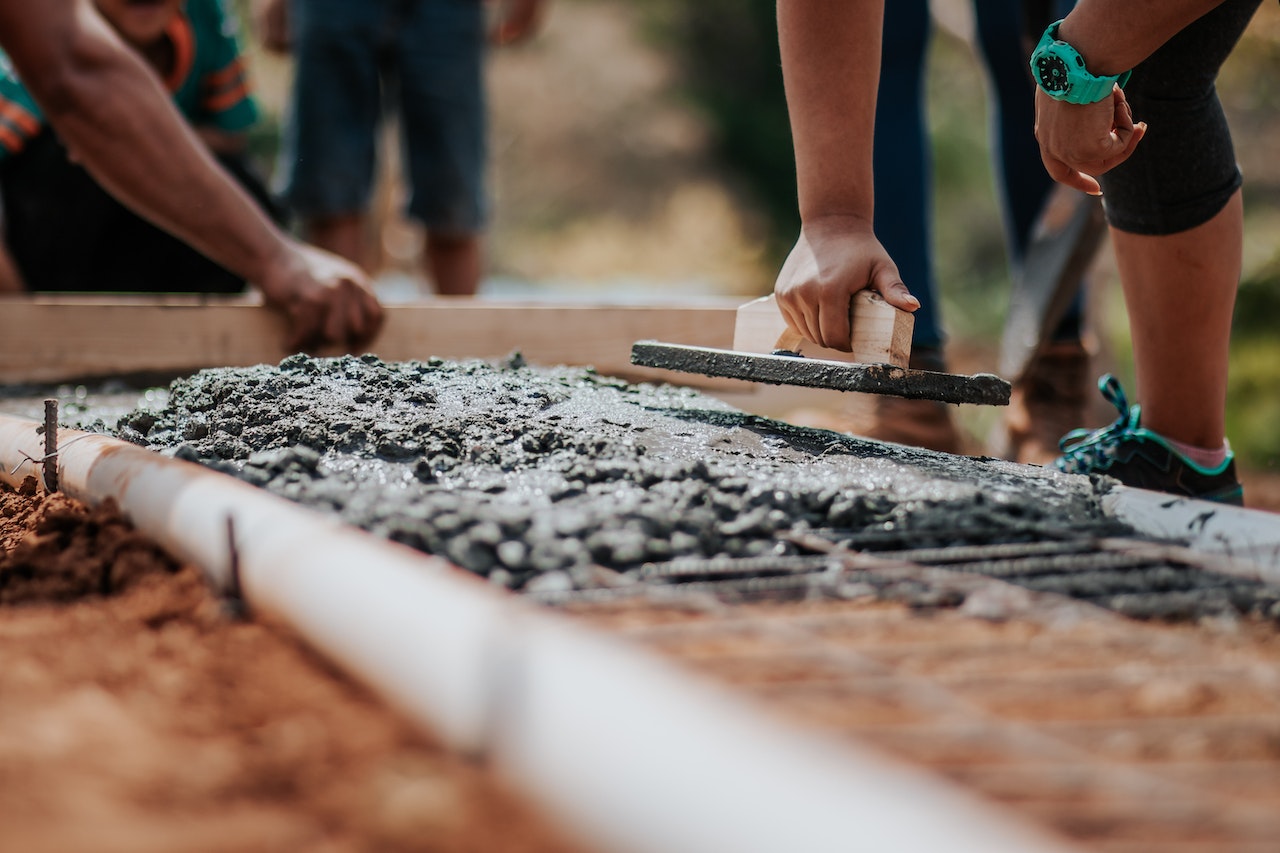
Regular inspections and quality assurance measures are vital throughout the construction process. Skipping these steps can result in substandard workmanship and the need for costly repairs down the line. Insist on regular inspections, address issues promptly, and ensure that the construction adheres to the approved plans and specifications.

Inadequate Communication With Your Builder

Effective communication is the backbone of a successful construction project. Misunderstandings, misinterpretations, and assumptions can lead to errors and delays. Maintain open lines of communication with your builder, express your expectations clearly, and address concerns promptly. Regular meetings and updates ensure everyone is on the same page.

Building a home is a significant investment that requires careful consideration and strategic planning. By avoiding common mistakes such as insufficient planning, underestimating the budget, neglecting sustainability, and overlooking the importance of qualified professionals, you can navigate the construction process with confidence. Learn from the experiences of others, stay engaged in the process, and prioritize communication to ensure that your dream home becomes a reality without the headaches of avoidable mistakes. With thoughtful planning and a commitment to quality, you can build a home that not only meets but exceeds your expectations.